
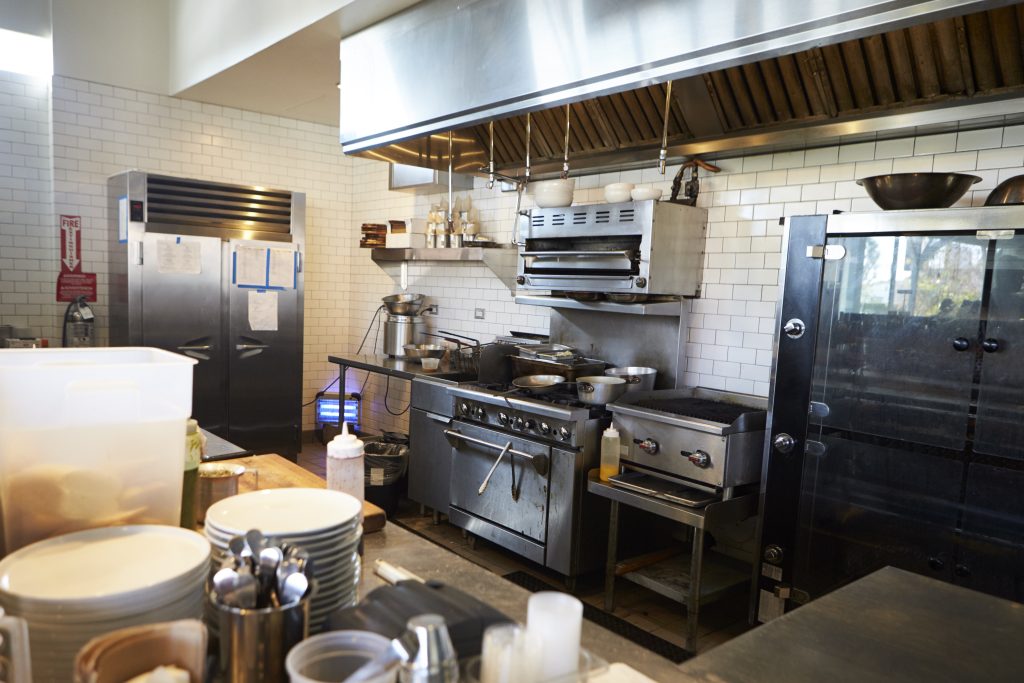
Operating a restaurant kitchen in Detroit requires careful attention to safety protocols, particularly when it comes to the exhaust system. A well-maintained kitchen exhaust hood serves as the first line of defense against fire hazards by removing grease-laden vapors, smoke, and heat from cooking areas.
Regular professional cleaning and maintenance of your kitchen exhaust system prevents dangerous grease buildup while ensuring compliance with local Detroit fire codes and NFPA 96 standards. Professional hood cleaning services protect your staff, customers, and property while maintaining optimal ventilation performance.
Your exhaust system needs consistent care to function properly and maintain safety standards. Working with certified professionals who understand Detroit’s specific requirements helps restaurant owners maintain their equipment effectively and avoid potential violations or safety risks.
Key Takeaways
- Professional hood cleaning prevents fire hazards and ensures code compliance
- Regular maintenance schedules protect staff safety and equipment performance
- Certified technicians provide comprehensive exhaust system inspections and cleaning
Key Factors in Maintaining a Safe Kitchen Exhaust System
A well-maintained kitchen exhaust system prevents fires, ensures proper ventilation, and protects the health of staff and customers. Regular maintenance, compliance with local codes, and proper equipment selection form the foundation of kitchen safety.
Understanding Local Detroit Fire Codes and Regulations
Detroit fire codes require commercial kitchens to maintain exhaust systems according to NFPA 96 standards. These regulations mandate specific clearances between cooking equipment and exhaust hoods.
Local inspectors check hood-to-appliance distances, duct construction materials, and grease removal device placement during routine visits.
Detroit restaurants must schedule professional cleanings based on their cooking volume: monthly for high-volume operations, quarterly for moderate use, and semi-annually for light cooking facilities.
Routine Cleaning and Inspection Schedules
Professional cleaners must remove grease buildup from hood surfaces, filters, and ductwork. Documentation of all cleaning services must be maintained on-site.
Daily tasks include wiping hood surfaces and checking grease cups. Weekly maintenance involves cleaning or replacing filters and inspecting fan operations.
Monthly inspections should focus on:
- Belt tension and wear
- Fan blade cleanliness
- Duct access panel seals
- Grease collection container levels
Choosing the Right Exhaust System Components
Select Type I hoods for grease-producing equipment and Type II for steam-generating appliances. Hood size must extend 6 inches beyond cooking surfaces on all sides.
Proper fan sizing ensures adequate air flow:
- Light duty: 50-100 CFM per linear foot
- Medium duty: 100-150 CFM per linear foot
- Heavy duty: 150-250 CFM per linear foot
Install grease filters at 45-degree angles to improve grease collection efficiency. Use UL-listed components that meet local code requirements.
Best Practices for Detroit Restaurant Owners from Hood Safe LLC
Maintaining a safe and compliant kitchen exhaust system requires proper cleaning protocols, qualified professionals, and well-trained staff members. These practices protect your investment while ensuring the safety of employees and customers.
Preventing Grease Buildup and Fire Hazards
Daily cleaning of accessible hood surfaces with a degreasing solution removes surface accumulation before it becomes problematic. Use scrapers and soft cloths to clean filters and removable components.
Schedule professional deep cleaning services every 3 months for high-volume cooking operations or every 6 months for moderate-volume kitchens.
Install grease traps in drain lines and empty them weekly to prevent system blockages. Check grease collection containers daily and dispose of contents properly.
Monitor cooking equipment placement to maintain proper distance between heat sources and hood systems. Keep documentation of all cleaning activities in a dedicated maintenance log.
Selecting Certified Hood Cleaning Professionals
Partner with hood cleaning companies that maintain current NFPA 96 certifications and carry adequate insurance coverage.
Request detailed inspection reports and before/after photos of completed work. Professional cleaners should provide thorough documentation of services performed.
Verify that cleaning companies use appropriate chemical solutions and mechanical cleaning methods approved for commercial kitchen exhaust systems.
Ask about emergency service availability and response times. Establish a relationship with a reliable company that understands local health and safety regulations.
Implementing Staff Training and Safety Protocols
Train kitchen staff on proper daily cleaning procedures and safety checks. Post clear instructions near hood systems for quick reference.
Create a cleaning schedule that assigns specific tasks to designated team members. Include verification steps to ensure completion.
Teach employees to recognize warning signs like excessive grease buildup or unusual odors that require immediate attention.
Keep fire suppression systems properly charged and train staff on emergency protocols. Run periodic safety drills to maintain readiness.
Document all training activities and maintain current safety certifications for kitchen personnel.