
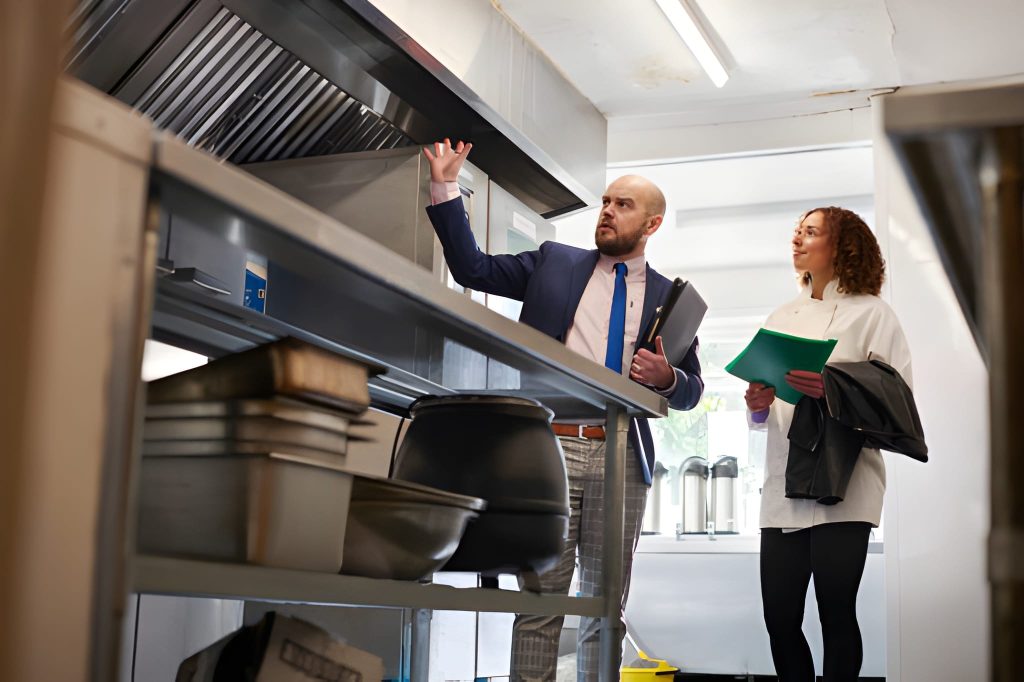
When inspection season rolls around in Detroit, restaurant owners and kitchen managers start checking thermometers, sanitizers, and paperwork—but one critical area often gets overlooked: the kitchen exhaust hood.
At Hood Safe LLC, we’ve helped hundreds of Detroit restaurants pass inspections (and avoid costly fines) with our professional hood cleaning and commercial kitchen cleaning services. Whether you run a food truck, fine dining restaurant, or a busy hotel kitchen, your exhaust hood is more than just another item on your checklist—it’s the backbone of your fire safety and ventilation system.
Let’s break down why hood maintenance matters, what inspectors look for, and how you can keep your kitchen compliant with NFPA 96 standards all year long.
Why Hood Cleaning Should Be a Top Priority
Every day, your kitchen hood and exhaust system pull in heat, grease, and smoke. Over time, that grease buildup becomes a major fire hazard and a red flag for inspectors.
Neglecting your hood cleaning can lead to:
- Fire code violations
- Failed inspections
- Increased insurance premiums
- Reduced system efficiency
- Unpleasant odors or smoke buildup
And in Detroit’s competitive food scene, a shutdown for fire code violations can mean lost revenue—and reputation damage that’s hard to recover from.
What Inspectors Are Looking For
During inspection season, fire marshals and health department officials pay close attention to your exhaust system’s cleanliness and documentation.
Here’s what they’ll typically check:
1. Visible Grease Buildup
Inspectors will examine your hood’s interior surfaces, filters, and ductwork. If they see thick layers of grease or residue, it’s an immediate red flag.
2. NFPA 96 Compliance
The National Fire Protection Association (NFPA 96) sets the fire safety standards for commercial kitchen exhaust systems. Compliance includes proper installation, maintenance, and cleaning of hoods, ducts, and fans. It also requires accessible panels for inspection and documentation of all cleanings.
If your system doesn’t meet these standards, you could face fines—or even temporary closure.
3. Cleaning Records
Inspectors will ask to see your hood cleaning certificates and service logs. If you can’t provide proof that your exhaust system has been cleaned by a certified professional, it may count as a violation or delay your approval.
How Often Should You Schedule Hood Cleaning?
Every kitchen operates differently, but NFPA 96 outlines general guidelines for cleaning frequency based on your cooking volume and style.
- High-volume restaurants such as fast food chains, busy diners, or 24-hour operations typically need hood cleaning every month.
- Moderate-volume kitchens like casual sit-down restaurants or hotels generally require cleaning every three months (quarterly).
- Low-volume kitchens—for example, seasonal venues, churches, or senior centers—can often schedule cleanings twice a year.
- Food trucks or mobile kitchens usually fall in the quarterly range because of compact systems and heavy grease use.
If you’re unsure which category your kitchen fits, Hood Safe LLC can evaluate your setup and recommend a schedule tailored to your business.
Real-World Example: A Detroit Restaurant’s Inspection Win
Last summer, one of our clients—a popular BBQ restaurant in Midtown Detroit—called us two weeks before their scheduled fire inspection. Their hood hadn’t been cleaned in over a year, and grease buildup was so severe it coated the ducts and rooftop fan.
Our Detroit hood cleaning team stepped in for a full system deep clean. We:
- Degreased the hood, filters, and plenum
- Pressure-washed all ductwork, both vertical and horizontal
- Cleaned and balanced the rooftop exhaust fan
- Provided detailed before-and-after photos and a cleaning certificate
Two weeks later, they passed their inspection with zero violations. The owner told us, “I’ll never wait that long again—Hood Safe saved us.” That’s the kind of success story we love to help create.
What a Professional Hood Cleaning Includes
Not every cleaning company provides true exhaust hood cleaning. A proper service goes far beyond surface polishing—it’s a deep, system-wide process designed for safety and compliance.
Here’s what you can expect when you hire Hood Safe LLC:
Step 1: System Inspection
We begin by examining your hood, filters, ducts, and fan to identify buildup, damage, or blockages.
Step 2: Prep and Protection
Before we start, we cover nearby kitchen equipment and surfaces to protect against overspray or grease runoff.
Step 3: Deep Cleaning
Our technicians use professional-grade degreasers and hot-pressure washing to remove grease from:
- Hood interiors and exteriors
- Baffle filters
- Horizontal and vertical ducts
- Exhaust fan blades and housings
Step 4: System Testing and Documentation
After cleaning, we test your exhaust fan and verify proper airflow. Then we issue your official certificate of cleaning, complete with time-stamped photos and service notes—so you’re fully prepared when the inspector arrives.
The Benefits Go Beyond Compliance
Keeping your hood system clean does more than meet code requirements—it protects your team, improves air quality, and saves money in the long run.
Here’s what regular commercial kitchen cleaning delivers:
- Cleaner air: Less smoke and odor in the kitchen and dining area.
- Better performance: Clean fans and ducts reduce energy strain on your ventilation system.
- Fewer hazards: Minimizes the risk of grease fires and accidental slips.
- Consistent compliance: You’ll always have the proper documentation and peace of mind before inspection season.
In short, regular hood cleaning isn’t just about passing inspections—it’s about keeping your kitchen running safely and efficiently every day.
Preparing for Inspection Season: A Quick Checklist
Before the inspector arrives, use this simple checklist to make sure your kitchen is in top shape:
- Check your last hood cleaning date and confirm it’s within the required timeframe.
- Ensure hood filters are clean, properly fitted, and free of grease buildup
- Verify that all access panels are sealed and easy to open.
- Tidy the area around your hood—inspectors appreciate visible attention to detail.
- Schedule a Detroit hood cleaning service ahead of your inspection date.
A little proactive effort goes a long way. Inspectors take note when management stays ahead of maintenance—it shows your commitment to safety and professionalism.
Why Detroit Restaurants Trust Hood Safe LLC
At Hood Safe LLC, we specialize in Detroit hood cleaning services for restaurants, hotels, schools, and commercial kitchens of all sizes. Our technicians are certified, insured, and trained to meet NFPA 96 compliance standards.
What sets us apart:
- Deep local knowledge of Detroit’s fire code and inspection process
- Flexible scheduling, including overnight and emergency service
- Transparent, fair pricing with no surprise fees
- Digital photo documentation and cleaning certificates with every service
We’re proud to be the trusted partner for some of Detroit’s busiest kitchens, helping them stay safe, clean, and inspection-ready all year round.
Schedule Your Free Quote or Inspection Today
Inspection season doesn’t have to be stressful. With a reliable partner like Hood Safe LLC, you can stay compliant, avoid fire risks, and breeze through your next inspection with confidence.
Call us today or visit our website to schedule a free quote or on-site inspection for your Detroit-area restaurant.
Let’s make sure your kitchen hood system is clean, safe, and ready for whatever the inspector throws your way.