
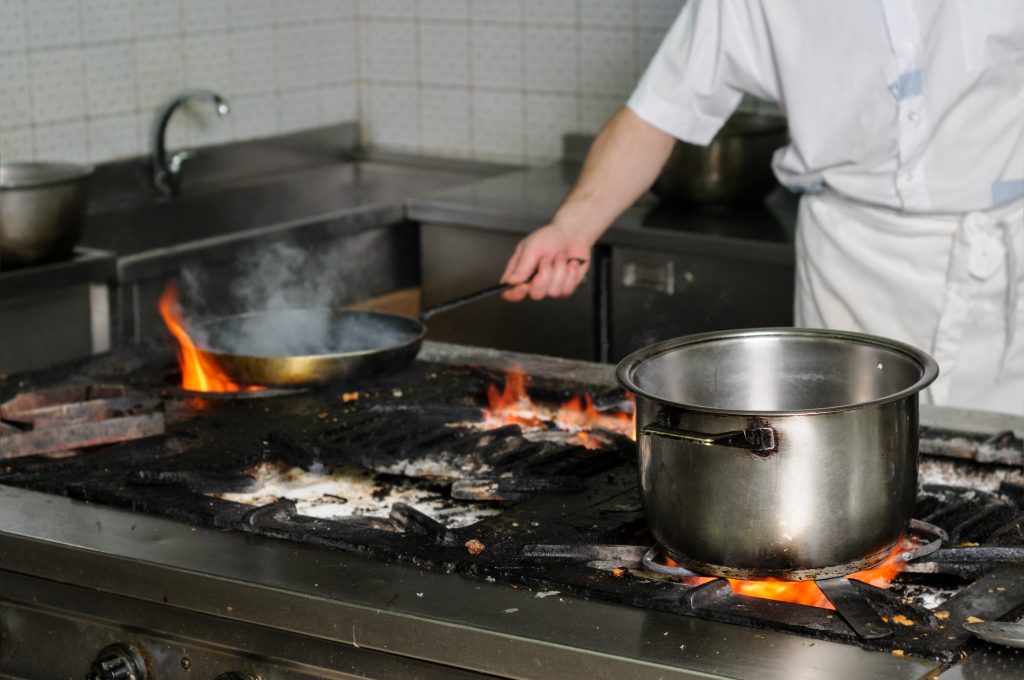
Running a restaurant in Detroit is no small task. Between staffing, menus, and customers, it’s easy to overlook one crucial responsibility — keeping your kitchen safe and compliant with fire safety standards.
Every commercial kitchen produces heat, grease, and smoke daily. Without proper ventilation and cleaning, that buildup can quickly turn into a dangerous fire hazard. That’s where NFPA 96 comes in — a set of fire safety regulations every restaurant owner should know.
At Hood Safe LLC, we help Detroit’s restaurants, schools, and commercial kitchens meet NFPA 96 compliance through professional hood cleaning and inspection services. In this guide, we’ll break down what NFPA 96 means, why it matters, and how to stay compliant with practical, real-world steps.
What Is NFPA 96?
NFPA 96 stands for the National Fire Protection Association Standard for Ventilation Control and Fire Protection of Commercial Cooking Operations.
In plain English, it’s the national standard that dictates how kitchen exhaust systems — including hoods, ducts, and fans — should be installed, maintained, and cleaned to minimize fire risk.
The standard covers:
- The design and materials of exhaust systems
- Proper installation and maintenance of hoods and ducts
- Fire suppression systems and their testing
- Cleaning procedures and frequency
- Documentation and inspection requirements
Simply put, NFPA 96 compliance ensures your kitchen operates safely and meets both local and national fire codes.
Why NFPA 96 Compliance Matters
NFPA 96 isn’t just red tape — it’s about protecting your business, employees, and customers.
A grease fire in your exhaust system can spread rapidly through ducts and onto your roof before anyone even realizes what’s happening. The aftermath could mean thousands of dollars in damage, lost revenue, and possible closure.
Here are four key reasons why compliance matters:
- Fire Prevention – Regular hood cleaning removes flammable grease deposits that could ignite during cooking.
- Insurance Protection – Most insurance carriers require proof of professional commercial hood cleaning to maintain coverage.
- Health & Safety Compliance – Fire inspectors and health departments check for NFPA 96 adherence during inspections.
- Employee & Customer Safety – Clean, ventilated kitchens reduce smoke, odors, and overall fire risk, keeping everyone safer.
At Hood Safe LLC, we’ve seen the difference. Restaurants that stay on top of their exhaust hood cleaning schedule rarely face compliance issues or costly emergencies.
How Often Should You Clean Your Kitchen Hood?
NFPA 96 outlines cleaning frequency based on how much and what type of cooking your facility performs.
Here’s what it recommends:
- High-volume kitchens — such as 24-hour diners, BBQ joints, or places that use woks or fryers heavily — should have their systems cleaned every three months.
- Moderate-volume kitchens, like most sit-down restaurants, should be cleaned every six months.
- Low-volume kitchens, such as seasonal businesses or churches, can be cleaned once every twelve months.
- Solid-fuel operations, such as wood-fired pizza ovens or charcoal grills, require cleaning monthly due to higher fire risk.
If you’re unsure where your kitchen falls, our team can inspect your system and recommend the ideal cleaning schedule for full compliance.
What a Professional Hood Cleaning Includes
Many people think hood cleaning just means wiping down the visible stainless steel. In reality, NFPA 96 requires a full system cleaning — from the hood canopy to the exhaust fan on the roof.
Here’s what a typical commercial kitchen cleaning from Hood Safe LLC includes:
- Hood and Filters: We remove, degrease, and deep-clean your hood surfaces and metal filters.
- Ductwork: Our team scrapes and pressure-washes ducts to remove hidden grease buildup.
- Exhaust Fans: We clean the fan blades, motor housing, and fan bowl to ensure proper airflow.
- Rooftop and Containment: We clean and maintain grease containment systems to prevent roof fires or leaks.
- Inspection and Certification: After cleaning, we provide before-and-after photos, inspection reports, and compliance certificates for your records.
Our technicians follow all NFPA 96 and local Detroit fire code requirements, using high-pressure hot water systems and environmentally safe degreasers.
Common Mistakes That Lead to Non-Compliance
Even experienced kitchen managers can accidentally slip out of compliance. Here are some of the most common issues we see in Detroit kitchens:
- DIY cleaning attempts: Wiping visible surfaces but ignoring internal ducts or fans.
- Unqualified contractors: Not every cleaning company understands NFPA 96 standards.
- Missing documentation: Failing to keep cleaning certificates and inspection reports on file.
- Neglected parts: Worn-out fan belts or broken filters that allow grease leaks or poor ventilation.
Avoiding these mistakes starts with working with certified professionals who specialize in Detroit hood cleaning services and understand the local fire inspection process.
Tips to Stay Compliant Year-Round
Maintaining compliance doesn’t have to be complicated. Here are practical steps to help your kitchen stay fire-safe:
- Stick to your cleaning schedule. Mark cleaning dates on your calendar or use a reminder service.
- Train staff to report any smoke buildup, unusual fan noise, or visible grease on ceilings and walls.
- Replace filters regularly — dirty filters restrict airflow and increase fire risk.
- Keep detailed records of all cleanings, inspections, and maintenance.
- Schedule periodic inspections with a professional hood cleaning company to catch issues early.
When in doubt, ask for a free inspection. At Hood Safe LLC, we often identify hidden issues before they become major fire hazards — saving our clients from costly shutdowns.
Real Example: How Preventive Cleaning Saved a Detroit Restaurant
One of our Detroit clients, a busy burger restaurant downtown, scheduled a routine cleaning right before their summer rush. During the inspection, we discovered a thick layer of grease hidden deep in the ductwork — something the staff couldn’t see from the kitchen.
If a flare-up had occurred on the grill, that grease could have ignited instantly and spread through the ducts. Instead, our team performed a full exhaust hood cleaning, replaced worn fan belts, and installed a grease containment system on the roof.
The owner later told us, “That cleaning probably saved my restaurant.”
It’s stories like this that highlight the real-world value of NFPA 96 compliance — not just checking a box, but protecting your business and your team.
Why Choose Hood Safe LLC
Hood Safe LLC is Detroit’s trusted partner for hood cleaning, commercial kitchen cleaning, and fire safety compliance.
Here’s why so many local restaurants choose us:
- Certified and insured technicians
- NFPA 96–compliant cleaning methods
- Flexible scheduling (overnight and off-hours available)
- Detailed photo documentation and certificates
- Fair, upfront pricing with no hidden fees
Whether you manage a restaurant, cafeteria, or hotel kitchen, we’ll help you stay compliant, safe, and inspection-ready.
Schedule Your Free Quote or Inspection
Don’t wait until an inspector — or worse, a fire — finds a problem. Keep your kitchen clean, compliant, and safe with Detroit’s trusted experts.