
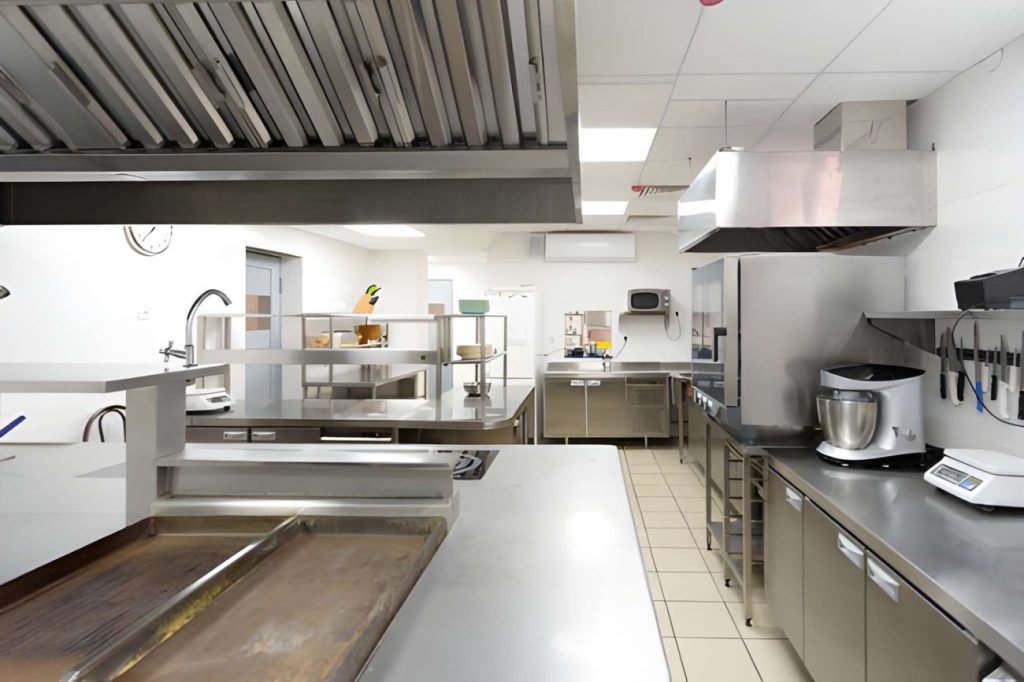
Breakfast diners and brunch spots operate during high-volume morning rushes, often cooking large amounts of bacon, eggs, and fried foods that release significant grease into the ventilation system. This grease accumulates quickly, and without consistent cleaning, it creates real fire and compliance risks.
Regular hood maintenance is one of the most important safety and operational steps a breakfast or brunch establishment can take to protect staff, customers, and the business itself. According to the NFPA, one in three restaurant fires is linked to poor kitchen ventilation maintenance — a risk no operator can afford to ignore.
Beyond safety, a well-maintained hood system runs more efficiently, which reduces energy costs and minimizes unexpected downtime. For breakfast and brunch spots with tight morning windows and little margin for equipment issues, staying on top of hood cleaning is a practical business decision.
Key Takeaways
- Consistent hood maintenance reduces fire risk and helps breakfast and brunch kitchens stay compliant with local safety codes.
- A clean hood system operates more efficiently, which can lower energy costs and extend the life of the equipment.
- Breakfast and brunch establishments benefit from scheduled servicing because it reduces the chance of unexpected downtime during high-demand morning hours.
Key Benefits of Reliable Hood System Servicing
Consistent hood maintenance directly reduces fire risk, keeps air clean, extends the life of your equipment, and helps your kitchen stay compliant with local health codes.
Reducing Fire Hazards in Kitchens
Breakfast and brunch kitchens deal with high volumes of bacon, butter, eggs, and sausage — all of which produce grease-laden vapor that accumulates in hood filters, ductwork, and exhaust fans. Grease buildup is the leading cause of commercial kitchen fires.
A well-maintained hood system removes grease deposits before they reach dangerous levels. Without regular servicing, that buildup becomes fuel. A single ignition point in a duct can spread a fire through the entire exhaust system quickly.
Cleaning frequency recommendations based on cooking volume:
| Cooking Type | Recommended Frequency |
| High-volume frying/grilling | Monthly |
| Moderate breakfast/brunch service | Every 3 months |
| Low-volume or seasonal operation | Every 6 months |
Sticking to a schedule appropriate for your service level is the most direct way to lower fire risk.
Maintaining Indoor Air Quality for Staff and Guests
A hood system that isn’t serviced regularly loses its ability to effectively pull smoke, steam, and cooking odors out of the kitchen. This affects both the back-of-house staff working long shifts and guests seated near open kitchen layouts — which are common in brunch-style restaurants.
Grease-clogged filters restrict airflow. When airflow drops, smoke and cooking byproducts linger in the air longer. Staff exposed to poor air quality over time can experience respiratory irritation, which affects both health and productivity.
Clean filters and clear ductwork allow the ventilation system to move air at its designed capacity, keeping the kitchen environment comfortable and breathable.
Prolonging Equipment Lifespan
Hood systems include fans, motors, filters, and ductwork — all of which wear faster when grease and debris are allowed to accumulate. A motor working against a clogged system runs hotter and draws more power. That shortens its operational life.
Regular servicing catches early signs of wear, such as:
- Worn or damaged filters that no longer catch grease effectively
- Fan belt deterioration from excess heat and friction
- Corrosion in ductwork caused by acidic grease residue
- Motor strain from restricted airflow
Addressing these issues early costs significantly less than replacing major components. A consistent maintenance program protects the investment you’ve already made in your kitchen.
Supporting Local Health Code Compliance
Health inspectors and fire marshals review hood systems as part of standard commercial kitchen inspections. Failure to maintain documented, up-to-date cleaning records is one of the more common compliance violations that restaurants face.
Most jurisdictions follow NFPA 96 standards, which set minimum cleaning intervals and documentation requirements for exhaust systems. Your local fire code may add requirements on top of that.
Keeping a log of service dates, technician notes, and before-and-after photos creates a clear compliance record. This protects your business during inspections and demonstrates that your kitchen is being managed responsibly.
Operational Advantages for Breakfast and Brunch Establishments
Consistent hood maintenance directly supports profitability and service quality for breakfast and brunch operations by reducing equipment failures, protecting staff, and keeping dining environments clean and comfortable.
Enhancing Guest Experience Through Safety
Breakfast and brunch guests often dine in open or semi-open kitchen environments, meaning smoke, grease odors, and poor air quality are immediately noticeable. A well-maintained exhaust hood removes cooking byproducts efficiently, keeping the dining area free of grease-laden air and unpleasant smells.
Brunch service in particular leans on atmosphere. Guests paying premium prices for a weekend brunch experience expect a clean, comfortable space. Grease buildup in a neglected hood can cause visible smoke, triggering complaints or even triggering fire suppression systems mid-service.
Key guest-facing impacts of proper hood maintenance:
- Reduced smoke and odors in the dining area
- Lower risk of fire suppression system activation during peak hours
- Cleaner surfaces and air quality near open kitchen concepts
- Fewer health code violations that could result in public closures
Minimizing Downtime Due to Unexpected Repairs
Breakfast and brunch operations run on tight schedules. Weekend brunch slots are often fully booked, and a sudden equipment failure during a Saturday service can mean lost revenue that cannot be recovered.
Grease accumulation in exhaust systems is a leading cause of commercial kitchen fires. Beyond fires, clogged hoods force HVAC systems to work harder, accelerating motor and fan failures. An emergency repair on a Sunday morning is both expensive and disruptive.
Scheduled hood cleaning and inspections catch problems before they escalate. Routine maintenance typically costs a fraction of emergency repair or fire damage remediation.
- Emergency hood repairs: can run $500–$2,000+
- Scheduled cleaning service: significantly lower cost on a routine cycle
- Fire damage or forced closure: potentially tens of thousands in losses
Improving Workplace Conditions for Employees
Breakfast kitchens run hot and fast. Cooks working a high-volume egg station or griddle are already in demanding conditions, and a poorly functioning hood adds heat, smoke, and airborne grease to that environment.
Excess grease vapor settles on surfaces, making floors slippery and increasing injury risk. Staff working in consistently poor air conditions also report higher fatigue and discomfort, which affects both performance and retention.
A clean, functional hood system:
- Removes heat more effectively, lowering ambient kitchen temperature
- Reduces grease accumulation on floors and prep surfaces
- Improves air quality, reducing respiratory irritation during long shifts