
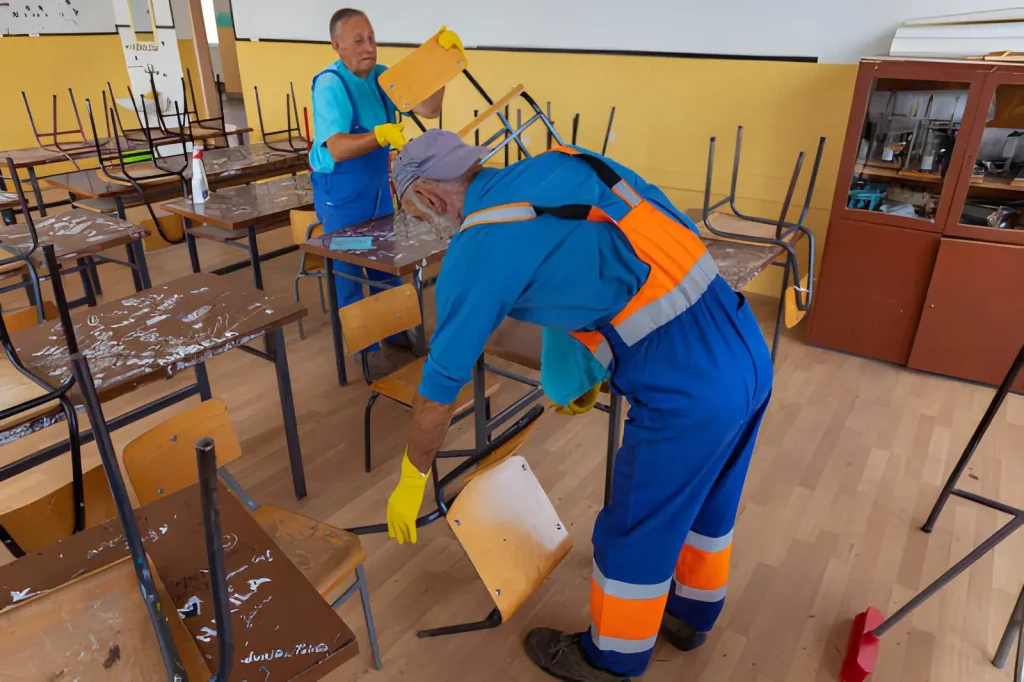
Summer break gives school facilities teams a narrow window to complete deep-cleaning projects that cannot happen while students and staff are present. Kitchens, in particular, require extended access for degreasing equipment, cleaning ventilation systems, and addressing buildup that accumulates throughout the school year. Waiting until the last few weeks of summer to schedule this work often means competing with other schools for the same limited pool of qualified cleaning contractors.
Booking a summer deep-clean early secures a preferred service date and gives facilities directors more control over scheduling around other maintenance projects. Cleaning companies that specialize in school kitchens often fill their summer calendars months in advance, leaving administrators who wait until June or July with fewer options and less flexibility. Early planning also allows time to review the scope of work, confirm compliance with health codes, and address any equipment issues discovered during the cleaning process.
A well-organized deep-clean plan covers more than surface-level sanitizing. It addresses hood systems, grease traps, flooring, and other areas that affect both safety inspections and daily kitchen operations once school resumes.
Key Takeaways
- Summer break provides the extended access schools need for thorough kitchen cleaning.
- Scheduling early helps secure contractor availability and avoid last-minute scheduling conflicts.
- A complete deep-clean plan should address equipment, ventilation, and compliance needs, not just surface cleaning.
Why Summer Is a Practical Window for School Kitchen Cleaning
Kitchen hoods, exhaust systems, and cooking equipment accumulate grease and residue throughout the school year, and addressing this buildup requires equipment to sit idle for extended periods. Summer break provides that opportunity without interfering with daily meal preparation or student schedules.
Reduced Disruption to Meal Service
Cafeteria kitchens run on tight schedules during the school year, often preparing breakfast and lunch for hundreds or thousands of students daily. Scheduling hood cleaning or equipment maintenance during active service means working around narrow time windows, usually early morning or late evening.
Summer break removes that constraint. Crews can access the full kitchen space for as long as needed, completing work in one continuous block instead of spreading it across multiple partial shifts.
This also reduces safety risks. Technicians aren’t working around hot equipment, food prep staff, or students moving through service lines. The result is a more thorough job completed with fewer interruptions and less coordination required between facilities staff and food service directors.
Time to Address Grease Buildup and Maintenance Needs
Grease accumulates in exhaust hoods, ductwork, and filters over months of continuous cooking. NFPA 96 requires regular professional cleaning of these systems, with frequency depending on cooking volume, but summer offers the first real chance since the previous break to perform a full-system inspection and cleaning.
This window also allows time for:
- Deep cleaning of hood interiors and ductwork, not just visible surfaces
- Fan and motor inspection, checking for wear from a full year of operation
- Filter replacement or deep cleaning, removing buildup that accumulates faster than routine service catches
- Repairs to damaged components identified during inspection, without rushing to reopen the kitchen
Addressing these items in summer reduces the likelihood of equipment failure or fire code violations once the school year resumes.
Why Early Booking Matters
Summer break runs on a fixed calendar, and cleaning crews across a district or region are often working against the same deadline. Booking early secures a spot on that schedule and leaves room to address problems that surface only after the work begins.
Securing Time on a Limited Summer Schedule
Most commercial cleaning companies serve multiple schools within the same district or metro area. Their summer calendars fill quickly, often months before the last school bell rings.
Schools that wait until June or July may find their preferred vendor fully booked. This forces a choice between a less experienced provider or a rushed timeline that compresses weeks of work into days.
Early booking, ideally during spring, gives facilities directors:
- First choice of scheduling dates, including the earliest slots right after dismissal
- Access to preferred vendors with proven track records at similar facilities
- Room to negotiate pricing before demand drives up rates
- Time to coordinate with other summer projects like roofing or HVAC work
Allowing Time for Follow-Up Work Before Students Return
Deep cleaning sometimes reveals issues that weren’t visible during the school year. Mold behind a wall panel, damaged flooring under old carpet, or pest activity in storage areas can all surface once crews start working.
Booking early builds in a buffer for these discoveries. If a problem requires a specialist, like a mold remediation team or a flooring contractor, there needs to be enough calendar time left to bring them in and finish the work.
Schools that schedule cleaning for the final two weeks of summer often have no room for this kind of follow-up. A late start can mean entering the new year with unresolved issues instead of a fully prepared building.
What to Include in a Kitchen Deep-Clean Plan
A school kitchen deep-clean plan needs to address two distinct categories: the exhaust system that removes grease-laden air, and the equipment and surfaces that handle food daily. Each category has different cleaning requirements, timelines, and compliance standards.
Kitchen Exhaust Hoods, Ducts, and Fans
Grease buildup in exhaust systems is a fire hazard, not just a cosmetic issue. NFPA 96 requires professional cleaning of hood systems, with frequency based on cooking volume.
Schools with high-volume kitchens should schedule hood, duct, and fan cleaning at least once during summer break. This includes:
- Interior and exterior hood surfaces to remove grease film
- Ductwork connecting the hood to the rooftop fan
- Exhaust fan blades and housing, often overlooked but prone to grease accumulation
- Fire suppression system components, inspected for grease interference
Technicians should provide a certificate after cleaning that documents the date, areas serviced, and any areas inaccessible due to equipment design. This paperwork matters during fire marshal inspections and insurance reviews.
Equipment and Surfaces That Need Separate Attention
Exhaust systems require specialized technicians, but kitchen equipment and surfaces call for a different cleaning approach entirely.
Ovens, fryers, and grills accumulate carbonized grease that daily cleaning doesn’t remove. Summer break allows time for disassembling equipment, soaking removable parts, and scrubbing interior surfaces that are normally too hot to touch during the school year.
Walk-in coolers and freezers need defrosting, interior wipe-downs, and coil cleaning to maintain efficiency. Refrigeration units that run inefficiently cost more to operate and risk food spoilage.
Floors, drains, and wall surfaces behind equipment also require attention. Grease and food debris collect in these areas year-round, and standing water in floor drains can become a bacteria source if not flushed and sanitized.
A kitchen deep-clean plan should list each piece of equipment individually, rather than treating “kitchen cleaning” as one task. Specificity prevents overlooked areas and gives facilities directors a clear record of what was serviced.
How Facilities Teams Can Prepare
Early preparation makes the most of a limited summer window. Facilities teams that organize records and align schedules before break starts avoid delays once cleaning crews arrive.
Reviewing Service Records and Kitchen Access
Pull maintenance logs for HVAC systems, flooring, and plumbing before booking a cleaning vendor. These records show which areas need attention beyond standard cleaning, such as grout repair or carpet replacement.
Kitchen areas require separate planning. Cafeteria equipment, walk-in coolers, and food prep surfaces often fall under health code requirements that differ from general classroom cleaning.
Facilities directors should confirm:
- Vendor access hours for kitchen spaces, since some equipment needs to be powered down or serviced by a certified technician first
- Health department documentation required after deep cleaning, if applicable
- Storage of food service items during the cleaning window
Coordinating this access early prevents scheduling conflicts once cleaning begins.
Coordinating Cleaning With Repairs and Reopening Dates
Summer often includes other projects: painting, roof work, or technology upgrades. Facilities teams need to sequence these tasks so cleaning crews aren’t working around wet paint or construction debris.
A simple way to manage this is a shared calendar listing:
| Task | Start Date | Completion Date | Dependency |
| Painting | Week 1 | Week 2 | None |
| Floor refinishing | Week 3 | Week 4 | After painting |
| Deep cleaning | Week 5 | Week 6 | After repairs |
Reopening dates should anchor this schedule. Working backward from the first day of school helps determine how much buffer time is needed if a project runs long.