
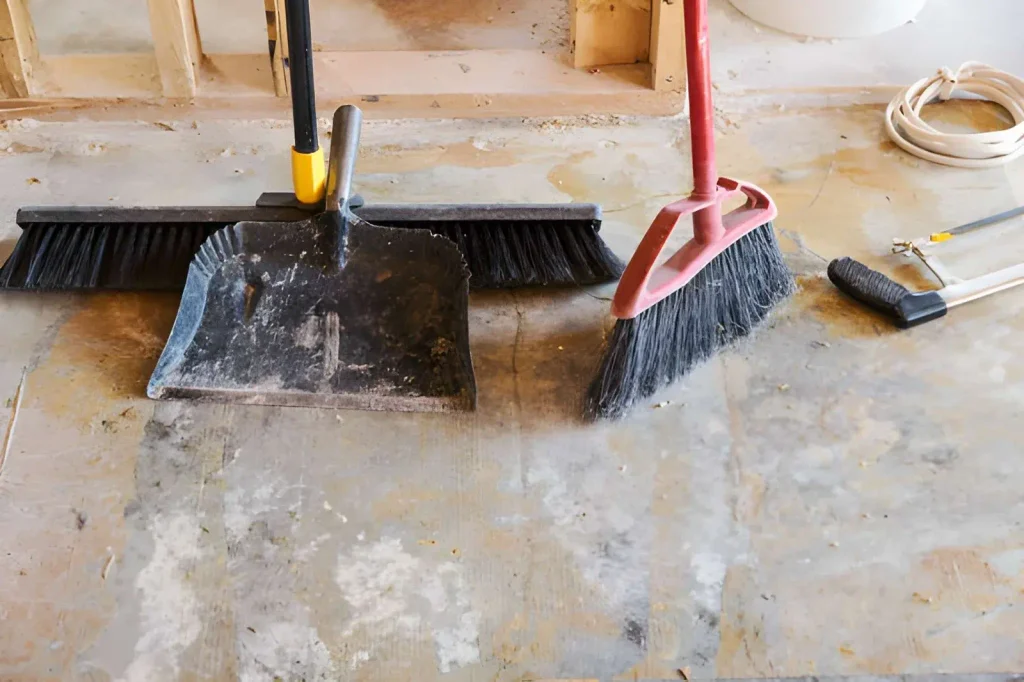
Post-construction cleanup after an office renovation removes dust, debris, and residue so the space can be inspected, handed over, and occupied. A thorough post construction cleanup for an office renovation typically includes debris removal, dust control on all surfaces and air handling components, and a final detail clean that brings the space to move-in standards. Skipping or rushing this work can delay turnover and lead to tenant complaints.
Renovation dust is finer and more persistent than everyday office dirt. It settles in vents, ceiling tiles, window tracks, and flooring seams, and it can return to surfaces days after a basic wipe-down. Property managers and general contractors who plan for this early tend to avoid punch-list delays and repeat visits.
This article covers what the cleanup should include, which areas need the most attention, how to coordinate work around occupied spaces, and how to budget for and select a provider. Hood Safe LLC offers these services, and the guidance below applies whether the project is a single suite or a full floor.
Key Takeaways
- Defining the cleanup scope early helps set clear readiness standards for turnover.
- Dust and debris control should focus on surfaces, vents, and hard-to-reach areas.
- Careful scheduling, safety planning, and a well-vetted provider keep costs and delays in check.
Cleanup Scope and Office Readiness Standards
A post-construction cleanup is defined by its scope, its phases, and a clear handoff standard that tells everyone when the space is ready for occupants. Setting these terms before work begins prevents disputes over what was included and whether the office meets move-in requirements.
How Construction Cleanup Differs From Routine Janitorial Service
Routine janitorial service maintains a space that is already clean. It covers trash removal, restroom care, vacuuming, and surface wiping on a set schedule.
Construction cleanup removes the byproducts of building work. These include drywall dust, joint compound residue, adhesive, paint splatter, sawdust, metal shavings, and leftover packaging.
The tools and methods differ as well. Fine dust from sanding and cutting passes through standard vacuum filters and settles back onto surfaces. Crews doing construction cleanup typically use HEPA-filtered vacuums and damp-wipe methods to capture particles instead of redistributing them.
| Factor | Routine Janitorial | Post-Construction Cleanup |
| Starting condition | Lightly soiled | Heavy dust, debris, residue |
| Typical equipment | Standard vacuums, mops | HEPA vacuums, scrapers, ladders, lifts |
| Surfaces covered | Floors, restrooms, desks | Ceilings, vents, light fixtures, window tracks, inside cabinets |
| Schedule | Recurring | One-time, tied to project milestones |
Rough Cleaning, Final Cleaning, and Touch-Up Cleaning
Construction cleanup is usually divided into three phases, each tied to a stage of the project.
Rough cleaning happens while trades are still working or just after major work ends. It clears large debris, scrap material, and packaging so that painters, flooring installers, and ceiling crews can work in a clear space.
Final cleaning begins once all trades have finished. Crews work top to bottom: ceiling grids, light fixtures, and HVAC diffusers first, then walls, doors, and windows, then floors last. This sequence keeps falling dust from landing on surfaces that were already cleaned.
Touch-up cleaning takes place after punch-list repairs and just before occupancy. It addresses fingerprints, footprints, and dust from last-minute corrections.
Typical final-clean tasks include:
- Wiping window glass, frames, and tracks
- Cleaning and sanitizing restrooms and kitchenettes
- Removing stickers, labels, and protective films from fixtures and glass
- Vacuuming and damp-mopping all floors, then polishing or buffing where specified
- Wiping inside drawers, cabinets, and closets
Defining Responsibilities Between Contractors and Cleaning Crews
Disputes over cleanup usually come from unclear contract language. Property managers and general contractors should state in writing who handles each category of work.
General contractors are generally responsible for debris removal, dumpster service, and daily site housekeeping during construction. Specialty cleaning crews handle detailed cleaning once trades have completed their work. Some tasks, such as removing heavy paint overspray or concrete residue, may fall to the trade that caused it.
A written scope should specify:
- The phases of cleaning included and when each one occurs
- Which areas are covered, including ceilings, ductwork openings, and exterior glass
- The acceptance standard, such as a walkthrough with a signed checklist
- How rework is handled if the space fails inspection
- Who disposes of hazardous or regulated materials
A joint walkthrough with the property manager, contractor, and cleaning lead gives all parties the same view of the space and a documented point at which the area is accepted as ready.
Priority Areas for Dust, Debris, and Surface Cleaning
Construction dust settles on every horizontal surface, and it comes back if cleaning starts at the wrong level or with the wrong tools. A sound sequence covers high surfaces first, floors according to material, glass and fixtures with non-abrasive methods, and shared amenities last.
Fine Dust Removal From Workspaces and High Surfaces
Drywall, concrete, and sawdust particles are fine enough to stay airborne for hours after work stops. They settle on ceiling grids, light fixtures, ductwork, door frames, and shelving before they reach desks and floors. Cleaning from the top down keeps dust from landing on surfaces that are already finished.
Use HEPA-filtered vacuums with soft brush attachments rather than dry sweeping or compressed air, which push dust back into the room. Follow with damp microfiber cloths to capture residue that vacuums leave behind.
Priority surfaces include:
- Ceiling tiles, grid runners, and return air grilles
- Light fixture lenses and tops of cabinets
- Window sills, baseboards, and door tops
- Inside drawers, closets, and built-in furniture
- Wall-mounted equipment, outlets, and switch plates
Replace or clean HVAC filters after the work is done, since dust drawn through the system can redistribute across the floor.
Floor Care Based on Material and Manufacturer Guidelines
Floor cleaning methods should match the material and the manufacturer’s written care instructions. A method that suits polished concrete can damage new luxury vinyl tile or carpet, and using the wrong product may void a flooring warranty.
| Floor Type | Typical Approach | Common Concern |
| Carpet tile | HEPA vacuum, then extraction if specified | Embedded drywall dust |
| Luxury vinyl tile | Dust mop, then neutral pH cleaner | Adhesive and grout haze |
| Polished concrete | Auto-scrubber with approved cleaner | Etching from acidic products |
| Hardwood or laminate | Dry vacuum, lightly damp mop | Moisture at seams |
Vacuum before any wet cleaning so that grit does not scratch the surface as it is mopped. Check with the general contractor for flooring spec sheets and remove paint splatter, adhesive, and joint compound with products the manufacturer approves.
Windows, Glass Partitions, and Fixture Detailing
Glass in renovated offices often carries paint overspray, adhesive residue, stickers, and film left from protective coverings. Scraping dried material with a dry razor can scratch the surface, so soften residue with a cleaning solution first and use a fresh blade held flat.
Clean interior glass, glass partitions, sidelights, and door glazing with non-ammoniated cleaner and lint-free cloths. Check frames and tracks, where dust and drywall residue collect and can interfere with sliding doors.
Fixture detailing includes:
- Light fixtures, diffusers, and exit signs
- Stainless steel, chrome, and brushed-metal hardware
- Door handles, hinges, and push plates
- Whiteboards, display screens, and monitor mounts
- Vents, diffusers, and sprinkler escutcheons
Use microfiber and mild cleaners on metal and painted finishes, and avoid abrasive pads that leave visible marks.
Restrooms, Break Rooms, and Shared Office Amenities
Shared spaces get heavy use right after move-in, so they are cleaned and sanitized thoroughly before occupancy. Dust and grout haze often remain on tile, mirrors, and partitions even after the finishing trades have left.
In restrooms, clean and disinfect toilets, sinks, countertops, partitions, and floors, and remove haze from tile and grout with products suited to the material. Check dispensers, drains, and fixtures for debris from plumbing work.
In break rooms, clean the inside and outside of cabinets, appliances, countertops, and sinks. Wipe down microwaves, refrigerators, and coffee stations, and clean vents above cooking areas. Confirm that new appliances are free of packing film and adhesive residue before they are put into service.
Safety, Scheduling, and Occupancy Coordination
Office renovations often take place next to tenants who are still working, so cleanup has to be planned around air quality, trade sequencing, waste handling, and sign-off. Clear controls and a written schedule keep a post construction cleanup office renovation project from disrupting neighboring spaces or delaying turnover.
Controlling Dust Migration in Occupied Buildings
Construction dust travels through shared corridors, elevators, and HVAC returns, so containment needs to stay in place until cleanup is finished. Remove barriers only after the final cleaning pass, not before.
Common controls include:
- Sealed barriers: Zip-wall or poly sheeting with taped seams at all openings to occupied areas.
- Negative air: HEPA-filtered air scrubbers exhausting from the work zone to maintain a pressure differential.
- Sticky mats: Adhesive floor mats at exits to capture tracked debris.
- HEPA vacuums: Used for floors, ledges, and ceiling grids instead of standard vacuums, which can redistribute fine particles.
- HVAC protection: Return grilles in the work zone covered or filtered, with filters replaced after cleanup.
Property managers should confirm containment is documented and inspected daily. Air-handling units serving the zone should be checked for dust buildup before the space is reoccupied.
Coordinating Cleanup With Trade Completion and Punch Lists
Cleaning too early means repeating work. Cleaning too late holds up inspections and move-in dates.
A typical sequence has three stages:
| Stage | Timing | Scope |
| Rough clean | After demolition, drywall, and heavy trades finish | Debris removal, bulk dust, floor sweeping |
| Final clean | After painting, flooring, and fixtures are installed | Surfaces, glass, fixtures, vents, floors |
| Touch-up clean | After punch list repairs | Spot cleaning of areas disturbed by corrections |
General contractors should share the master schedule and notify the cleaning team when each trade signs off. Overhead work such as ceiling tile, lighting, and ductwork must be complete before the final clean, since it releases dust downward.
Build a short buffer between punch list completion and the final walkthrough. That window allows touch-up cleaning without compressing the handover date.
Handling Construction Waste and Potentially Hazardous Materials
Not all debris is ordinary trash. Cleanup crews need to separate general waste, recyclables, and regulated materials before anything leaves the site.
Items that require attention include:
- Drywall dust and fine debris: Bag or contain to prevent airborne release during removal.
- Adhesives, sealants, paints, and solvents: Dispose of according to local and state rules, not in standard dumpsters.
- Fluorescent lamps and ballasts: Often classified as universal waste because of mercury content.
- Sharps and fasteners: Collect with magnetic sweepers to protect occupants and floor finishes.
In buildings constructed before the 1980s, suspected asbestos-containing material or lead paint should be confirmed by testing before disturbance. If something unexpected is found, work in that area should stop until a qualified professional assesses it. Cleaning contractors should keep Safety Data Sheets on site for every chemical they use, and the contractor and property manager should agree in writing on who handles disposal fees and hauling.
Final Walkthroughs and Documented Acceptance Criteria
Agreeing on what “clean” means before work starts prevents disputes at handover. Acceptance criteria should be written into the scope and tied to specific, checkable conditions.
A practical checklist includes:
- No visible dust on horizontal surfaces, including window sills, door frames, and tops of cabinets
- Glass and mirrors free of streaks, stickers, and paint overspray
- Floors cleaned and protected as appropriate to the material
- Vents, grilles, and light fixtures wiped clean
- Restrooms and kitchenettes sanitized and stocked as required
Walk the space with the property manager, general contractor, and cleaning lead present. Use a dated punch sheet with photos for any deficiencies, and assign each item an owner and a re-inspection date.
Record the final sign-off in writing, including the date, areas accepted, and any exceptions. This record supports warranty claims, tenant move-in, and certificate of occupancy requirements.
Budgeting and Selecting a Cleanup Provider
Post-construction cleanup pricing depends on square footage, the level of debris, and the number of cleaning phases required. Choosing a provider comes down to a clear written scope, verified insurance and training, and a defined quality-control process.
Cost Factors for Renovated Office Spaces
Most providers price post-construction cleaning per square foot or by the hour. Rates vary by region and by how much dust and debris the renovation left behind, so request quotes based on a site walk-through rather than a phone estimate.
The factors below affect the final price most:
| Factor | Why it changes the cost |
| Square footage and layout | Open floor plans clean faster than spaces with many private offices and partitions |
| Debris level | Drywall dust, adhesive residue, and paint overspray take more labor to remove |
| Number of phases | Rough, final, and touch-up cleans are billed separately |
| Surface types | Polished concrete, glass walls, and specialty flooring need specific products |
| Access and timing | After-hours or weekend work may carry a premium |
| Vertical surfaces | Ceiling grids, vents, and light fixtures add time |
Ask for line-item pricing so you can compare bids accurately.
What to Include in a Cleaning Request for Proposal
A detailed request for proposal (RFP) produces bids you can compare directly. Vague requests lead to vague quotes and change orders later.
Include these items:
- Project address, total square footage, and a floor plan
- Renovation type, such as demolition, build-out, or finish work
- Required cleaning phases and target completion dates
- Specific tasks, including window cleaning, HVAC vent wiping, floor polishing, and debris hauling
- Site access rules, such as elevator reservations, building hours, and loading dock limits
- Waste disposal responsibilities, including who supplies dumpsters
- Insurance and licensing requirements
- Bid submission deadline and evaluation criteria
Ask bidders to state what is excluded from their price. Items such as hazardous material removal or specialty equipment are often left out and billed later.
Evaluating Insurance, Training, and Quality Control
Request a certificate of insurance before any work begins. Look for general liability coverage, workers’ compensation, and, where your building requires it, a policy that names the property owner or general contractor as an additional insured.
Ask how crews are trained. Workers handling silica-containing dust, solvents, or adhesives should have documented safety training, including hazard communication, and use appropriate protective equipment.
Quality control should be specific, not just a promise of good results. Ask providers whether they use written checklists, supervisor walk-throughs, and a sign-off process with your project manager. Also confirm how they handle missed areas and how quickly they return to correct them.
Check at least two recent references from commercial renovation projects of similar size.
Discussing Project Scope and Service Availability With Hood Safe LLC
Hood Safe LLC works with property managers and general contractors to define cleanup scope before a project begins. A site visit or a review of your floor plans helps establish the phases, timeline, and areas that need extra attention.
Have the following ready when you contact the team:
- Renovation start and end dates
- Square footage and number of floors
- Any occupied areas that must stay clean during work
- Building access and scheduling restrictions
Providing this information up front allows for a written estimate and a confirmed schedule that fits your turnover date.