
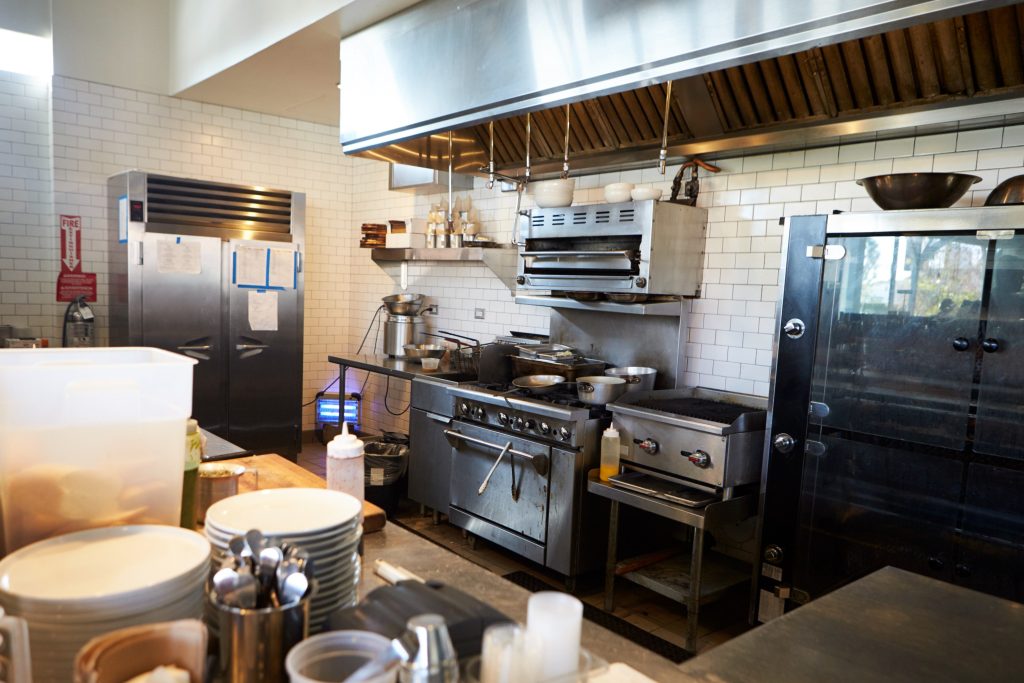
Ghost kitchens and shared kitchen spaces have transformed the food service industry, but they face distinct challenges when it comes to exhaust hood cleaning and maintenance. These delivery-only operations often operate in converted warehouses, shared facilities, or remote locations that create complications for scheduling and executing proper hood cleaning services.
Ghost kitchens must adhere to the same rigorous hood cleaning standards as traditional restaurants, despite operating in unconventional spaces that present unique logistical and compliance challenges. The confined nature of shared kitchen environments and multiple cooking operations under one roof can lead to accelerated grease buildup and increased fire safety risks if proper cleaning protocols are not followed.
Understanding the specific requirements for hood cleaning in these modern kitchen formats is essential for maintaining safety, compliance, and operational efficiency. The complexity of managing multiple exhaust systems in shared spaces, combined with the remote locations many ghost kitchens occupy, requires specialized approaches to cleaning schedules, documentation, and contractor coordination.
Key Takeaways
- Ghost kitchens require the same hood cleaning standards as traditional restaurants regardless of their unconventional locations
- Shared kitchen spaces create unique challenges including multiple exhaust systems and accelerated grease buildup
- Proper scheduling and specialized cleaning approaches are essential for maintaining safety and compliance in these modern kitchen formats
Importance of Hood Cleaning for Ghost Kitchens and Shared Kitchens
Ghost kitchens and shared cooking facilities face unique ventilation demands due to high-volume operations and complex access requirements. These environments must meet the same commercial fire safety standards as traditional restaurants while managing additional logistical challenges for maintenance and compliance verification.
Special Ventilation Challenges in Ghost Kitchens
Ghost kitchens often operate in industrial locations or converted spaces not originally designed for commercial cooking. These facilities frequently lack optimal ventilation access points.
Multiple food operations sharing the same exhaust system creates accelerated grease accumulation. Each tenant contributes to the buildup, making regular cleaning schedules more critical than in single-operator kitchens.
Remote locations present accessibility issues for cleaning crews. Many ghost kitchens operate in warehouse districts or basement levels where equipment access requires special planning and coordination.
Shared exhaust systems demand careful scheduling to minimize operational disruptions. Cleaning must occur during off-peak hours to avoid impacting multiple businesses simultaneously.
The 24-hour operation model common in ghost kitchens reduces available maintenance windows. Cleaning services must work around continuous cooking schedules across different food concepts.
Compliance Standards for Commercial Cooking Environments
All commercial cooking operations must follow NFPA 96 standards regardless of their business model. Ghost kitchens cannot claim exemptions based on delivery-only service or shared facilities.
Local fire departments require the same inspection access for ghost kitchens as traditional restaurants. Documentation of cleaning frequency and thoroughness must be maintained for regulatory compliance.
Insurance requirements for commercial kitchens apply equally to ghost facilities. Carriers often mandate specific cleaning intervals based on cooking volume and equipment types.
Low-volume operations require annual hood cleaning minimum, while high-volume facilities need quarterly or monthly service. Ghost kitchens typically fall into higher frequency categories due to concentrated cooking operations.
Health department regulations treat ghost kitchens as full commercial establishments. Ventilation cleanliness directly impacts operating permits and license renewals.
Risks of Inadequate Hood Maintenance
Fire hazards multiply rapidly in poorly maintained ghost kitchen exhaust systems. Grease accumulation combined with high-temperature cooking creates dangerous conditions that can spread to adjacent operations.
Poor ventilation affects air quality throughout shared facilities. Multiple cooking operations without proper exhaust cleaning create unhealthy working environments for all tenants.
Equipment failure from grease buildup forces costly emergency shutdowns. Ghost kitchens dependent on delivery schedules cannot afford unexpected downtime during peak ordering periods.
Liability issues arise when inadequate maintenance affects neighboring businesses in shared spaces. Fire or smoke damage can impact multiple operations simultaneously.
Insurance claims related to preventable hood fires often result in coverage denial. Documented maintenance failures can void commercial kitchen insurance policies entirely.
Best Practices for Effective Hood Cleaning
Ghost kitchens and shared kitchen facilities require strategic cleaning schedules that account for continuous operation and multiple tenants. Professional services provide specialized expertise for complex ventilation systems, while proper documentation ensures regulatory compliance and operational safety.
Recommended Cleaning Schedules for High-Turnover Kitchens
High-turnover ghost kitchens and shared facilities operate differently from traditional restaurants. These spaces often run 16-20 hours daily with multiple operators, creating accelerated grease accumulation.
Standard frequency requirements:
- Heavy-volume operations: Monthly cleaning minimum
- Moderate-volume shared spaces: Bi-monthly cleaning
- 24/7 ghost kitchen hubs: Every 3-4 weeks
Usage intensity determines actual cleaning needs more than calendar dates. Facilities serving fried foods, grilled items, or wok cooking require more frequent attention due to higher grease production rates.
Shared kitchens should track total cooking hours across all tenants rather than individual operator schedules. A kitchen with three tenants cooking 8 hours each daily generates equivalent grease to a single restaurant operating 24 hours.
Choosing Professional Services Like Hood Safe LLC
Professional hood cleaning companies bring specialized equipment and certification knowledge essential for compliance. Hood Safe LLC and similar certified providers understand NFPA 96 requirements specific to commercial shared spaces.
Key selection criteria include:
- NFPA 96 certification and training
- Experience with shared kitchen environments
- 24/7 availability for emergency cleaning
- Comprehensive documentation systems
Certified professionals use industrial-grade degreasers and pressure washing equipment unavailable to facility operators. They access hard-to-reach ductwork areas and exhaust fans that require specialized tools and safety equipment.
Professional services provide liability coverage and compliance documentation. This protection becomes critical for shared facilities with multiple tenants and complex insurance requirements.
Key Steps in the Hood Cleaning Process
The hood cleaning process follows specific stages designed to remove all grease deposits and restore proper ventilation function. Professional cleaners begin with equipment shutdown and area protection using plastic sheeting and floor coverings.
Core cleaning sequence:
- Disassembly: Remove filters, drip trays, and accessible ductwork components
- Degreasing: Apply commercial-grade cleaning solutions to all surfaces
- Pressure washing: High-pressure hot water removal of loosened grease deposits
- Duct cleaning: Internal ductwork cleaning using rotating brushes and pressure equipment
Fan and motor cleaning requires electrical safety protocols and specialized access equipment. Cleaners inspect fan blades, housing, and motor components for grease buildup that reduces efficiency.
The process concludes with system reassembly and operational testing. Professional services verify proper fan operation and airflow before returning the kitchen to service.
Documentation and Ongoing Inspection Protocols
Proper documentation protects shared kitchen operators from liability and ensures regulatory compliance. Professional cleaning services provide detailed reports including before/after photos and compliance certificates.
Required documentation elements:
- Cleaning completion certificates with dates and technician signatures
- Photo documentation of cleaned components
- NFPA 96 compliance statements
- Maintenance recommendations and scheduling
Ghost kitchen operators should maintain cleaning logs accessible to all tenants and inspectors. These records demonstrate due diligence during fire department inspections or insurance investigations.
Monthly visual inspections between professional cleanings help identify problems early. Facility managers should check filter condition, grease tray fullness, and visible ductwork for excessive buildup requiring immediate attention.