
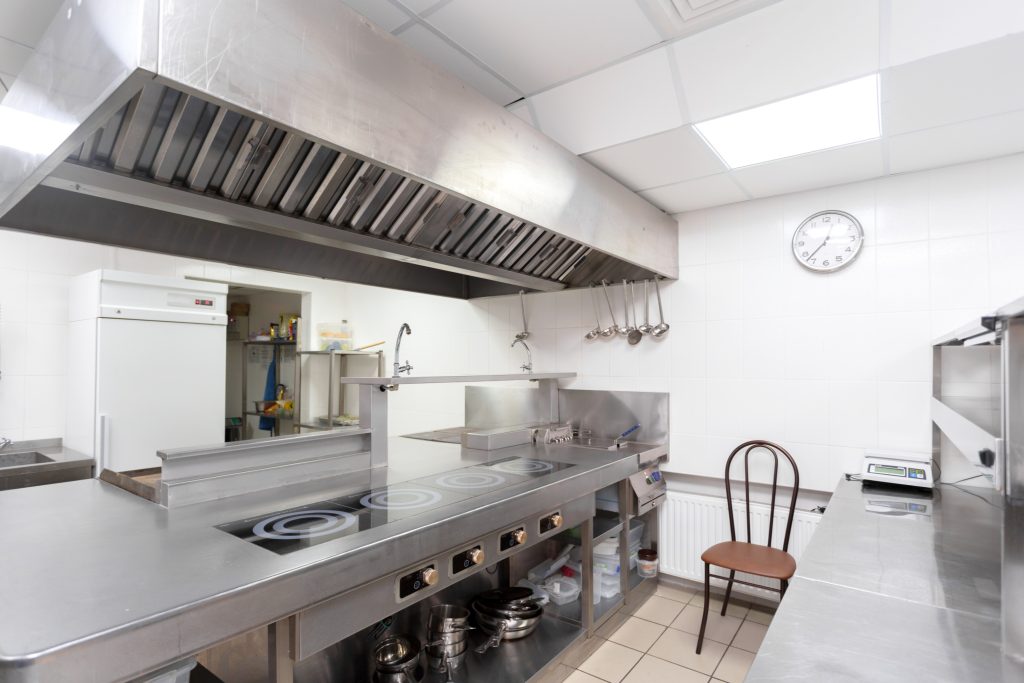
Detroit restaurant owners face a critical balancing act between maintaining kitchen safety and managing operational costs. Hood cleaning represents a non-negotiable expense that directly impacts fire safety, health code compliance, and insurance coverage.
Understanding the typical cost range of $200-800 per cleaning session allows Detroit restaurant owners to build realistic maintenance budgets that protect their business while controlling expenses. Multiple factors influence these costs including system size, grease buildup levels, cleaning frequency, and local labor rates specific to the Detroit market.
Smart budgeting for hood cleaning requires evaluating your kitchen’s unique needs against available service options. Restaurant owners who plan ahead avoid emergency cleaning situations that often cost significantly more than scheduled maintenance visits.
Key Takeaways
- Hood cleaning costs typically range from $200-800 per session depending on system complexity and service requirements
- Regular scheduled cleanings cost less than emergency services and help maintain consistent budget planning
- Proper budgeting for hood cleaning protects restaurants from safety violations and potential business interruptions
Essential Considerations for Hood Cleaning Budgets
Restaurant owners in Detroit must account for local fire codes, cleaning frequency requirements, service complexity factors, and provider qualifications when developing hood cleaning budgets. These elements directly impact both immediate costs and long-term operational expenses.
Detroit-Specific Regulations Impacting Hood Cleaning Costs
Detroit restaurants must comply with both Michigan state fire codes and local Detroit Fire Department regulations for commercial kitchen exhaust systems. The city requires quarterly professional cleaning for high-volume establishments and bi-annual cleaning for lower-volume operations.
Fire department inspections in Detroit cost $150-$300 per visit. Non-compliance penalties range from $500 to $2,500, depending on violation severity. The Detroit Fire Department mandates specific documentation including cleaning certificates, inspection reports, and maintenance records.
Key Detroit Requirements:
- Monthly baffle filter cleaning
- Professional hood system cleaning every 3-6 months
- Annual fire suppression system inspection
- Proper disposal of grease waste through licensed haulers
Detroit’s industrial waste regulations require restaurants to use certified grease disposal services, adding $75-$150 monthly to operational costs.
Frequency of Hood Cleaning for Restaurant Owners
Cleaning frequency directly affects annual budget planning and depends on cooking volume, food types, and equipment usage. High-volume restaurants cooking fried foods require monthly cleaning, while pizza shops or bakeries may need quarterly service.
Recommended Cleaning Schedule:
- Monthly: 24/7 operations, heavy frying, char-broiling
- Quarterly: Moderate volume, standard cooking methods
- Bi-annually: Low volume, minimal grease production
Monthly cleaning costs $300-$600 per service for average-sized kitchens. Quarterly cleaning ranges from $400-$800 per session. Skipping scheduled cleanings increases grease buildup, requiring deep cleaning services that cost 50-75% more than regular maintenance.
Emergency cleanings after fire department violations cost $800-$1,500 plus potential fines and lost revenue during closure periods.
Factors Influencing Hood Cleaning Pricing
Kitchen size represents the primary cost driver, with pricing typically calculated per linear foot of hood space. Standard commercial kitchens range from $15-$35 per linear foot, depending on grease accumulation and accessibility.
Primary Cost Factors:
- Hood length: 6-foot systems ($150-$300), 12-foot systems ($300-$600)
- Grease buildup: Heavy accumulation increases labor time 25-40%
- Equipment complexity: Multiple fans, dampers, and filters add $50-$150
- Accessibility: Difficult roof access increases costs by $100-$200
Additional equipment cleaning affects total pricing. Exhaust fans cost $75-$150 each to clean. Ductwork cleaning adds $3-$8 per linear foot. Fire suppression system cleaning requires specialized certification and costs $200-$400.
Service timing impacts pricing, with after-hours cleaning commanding 15-25% premiums. Weekend services typically cost 10-20% more than weekday appointments.
Selecting a Qualified Hood Cleaning Provider
Licensed and insured providers protect restaurants from liability while ensuring code compliance. Michigan requires hood cleaning companies to carry general liability insurance of at least $1 million and workers’ compensation coverage.
Essential Provider Qualifications:
- Michigan contractor’s license
- International Kitchen Exhaust Cleaning Association (IKECA) certification
- Comprehensive insurance coverage
- Detroit Fire Department approved disposal methods
Verify provider certifications through IKECA’s online database. Request certificates of insurance before service begins. Quality providers offer detailed before-and-after photos, cleaning certificates, and compliance documentation.
Compare quotes from 3-4 providers, focusing on service scope rather than lowest price. Reputable companies provide written estimates detailing specific cleaning tasks, equipment coverage, and compliance guarantees.
Established providers offer maintenance contracts with fixed pricing, protecting against unexpected cost increases while ensuring consistent service scheduling.
Effective Budgeting Strategies for Detroit Restaurant Owners
Smart hood cleaning budgeting requires balancing compliance requirements with operational costs through strategic planning. Detroit restaurant owners can control expenses by establishing consistent maintenance schedules and evaluating service options that align with their specific needs and volume requirements.
Establishing a Realistic Cleaning Schedule
Detroit’s health department regulations require commercial kitchens to maintain clean exhaust systems based on cooking volume and food type. High-volume restaurants typically need monthly cleanings, while moderate-use establishments may operate safely with quarterly service.
Your cooking methods directly impact cleaning frequency requirements. Restaurants specializing in fried foods or grilled items generate more grease buildup than establishments focused on steaming or baking. Fast-casual locations with heavy fryer usage often require monthly maintenance to prevent fire hazards and maintain compliance.
Frequency Guidelines by Restaurant Type:
- High-volume/24-hour operations: Monthly cleaning
- Standard restaurants: Every 2-3 months
- Low-volume establishments: Quarterly cleaning
- Seasonal operations: Bi-annual cleaning minimum
Document your current grease accumulation patterns by monitoring exhaust system conditions between cleanings. This data helps establish the optimal schedule that balances safety requirements with budget constraints.
Comparing Service Packages From Hood Safe LLC
Hood Safe LLC offers tiered service packages designed for different restaurant sizes and operational demands. Basic packages include exhaust hood cleaning, fan maintenance, and ductwork inspection. Comprehensive packages add grease trap maintenance, filter replacement programs, and emergency response services.
Package Comparison Factors:
- Service scope: Hood, ducts, fans, and rooftop equipment coverage
- Compliance documentation: Certificate provision and record keeping
- Response times: Emergency service availability and scheduling flexibility
- Additional services: Filter programs, minor repairs, and consultation
Request detailed quotes that break down labor costs, materials, and any additional fees. Compare per-visit pricing against annual contract rates to identify potential savings. Many service providers offer discounts for longer-term commitments or multiple location contracts.
Evaluate each provider’s insurance coverage and Detroit-area experience. Local companies often provide faster emergency response and better understanding of municipal inspection requirements.
Maximizing Value and Cost-Efficiency
Bundle services to reduce per-visit costs and minimize kitchen disruption. Combining hood cleaning with filter replacement, grease trap maintenance, and minor repairs creates operational efficiency and often reduces total expenses.
Cost-Saving Strategies:
- Annual contracts: Lock in rates and secure priority scheduling
- Off-peak scheduling: Request cleaning during slower business periods
- Preventive maintenance: Address minor issues before they become expensive repairs
- Filter management programs: Ensure optimal airflow and extend cleaning intervals
Track cleaning expenses as a percentage of total food costs. Most restaurants budget 0.5-1.5% of food sales for hood cleaning and exhaust maintenance. Establishments exceeding this range should evaluate their cleaning frequency or service provider efficiency.
Maintain detailed records of cleaning dates, compliance certificates, and system performance. This documentation helps optimize scheduling and provides valuable data for insurance claims or health inspections.
Planning for Unexpected Cleaning Expenses
Emergency hood cleaning situations arise from equipment failures, excessive grease buildup, or failed health inspections. Detroit restaurants should maintain a contingency fund equal to 2-3 months of regular cleaning costs to handle unexpected expenses.
Common Emergency Scenarios:
- Fan motor failures: Requiring immediate cleaning and repair
- Grease fires: Necessitating complete system restoration
- Failed inspections: Demanding immediate compliance cleaning
- Equipment damage: Needing replacement parts and expedited service
Pre-arrange emergency service agreements with Hood Safe LLC to secure priority response and predetermined rates. Emergency cleaning typically costs 25-50% more than scheduled service due to after-hours labor and expedited scheduling requirements.
Build relationships with backup service providers to ensure coverage during peak demand periods. Having multiple approved vendors prevents service delays that could impact restaurant operations or compliance status.