
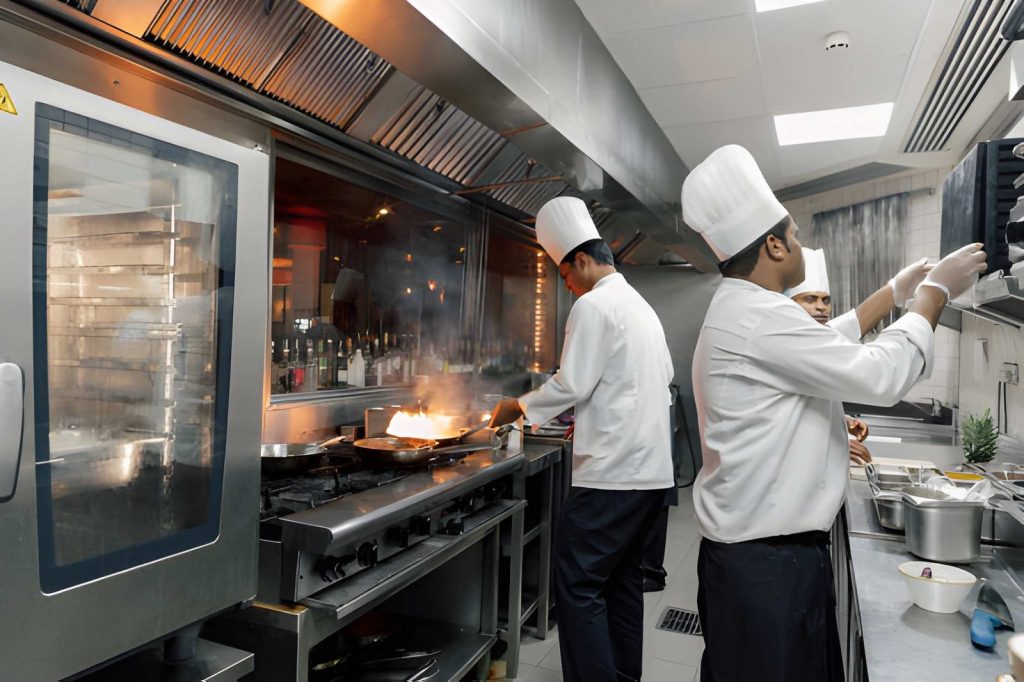
Indian restaurants face unique challenges when it comes to maintaining their exhaust systems due to the intensive cooking methods and spice-heavy ingredients that characterize this cuisine. The high-heat cooking techniques, frequent use of oils, and aromatic spices create a perfect storm for rapid grease accumulation and residue buildup in ventilation systems.
Indian restaurant kitchens require specialized cleaning agents and techniques to effectively remove the complex combination of oils, spices, and aromatic compounds that standard cleaning methods cannot adequately address. Traditional exhaust cleaning approaches often fall short when dealing with turmeric stains, curry oil residues, and the sticky compounds created by tandoor cooking and other high-temperature preparation methods.
The stakes are particularly high for Indian restaurants because inadequate exhaust cleaning can lead to fire hazards, health code violations, and compromised air quality. Professional cleaning services with experience in Indian cuisine understand how to tackle these specific challenges while ensuring compliance with NFPA regulations and local health department requirements.
Key Takeaways
- Indian cuisine creates unique exhaust cleaning challenges due to high-heat cooking and spice-heavy ingredients that cause rapid grease buildup
- Specialized cleaning agents and techniques are required to remove complex oil and spice residues that standard methods cannot handle effectively
- Professional cleaning services experienced with Indian restaurants ensure fire safety compliance and prevent health code violations
The Importance Of Specialized Exhaust Cleaning For Indian Restaurants
Indian restaurants face distinct exhaust cleaning challenges due to heavy spice usage, high-temperature cooking methods, and unique grease compositions that standard cleaning approaches cannot adequately address. These factors create elevated fire risks, compliance issues, and air quality concerns that require targeted solutions.
Unique Challenges Of Indian Cuisine Grease And Smoke
Indian cooking methods produce complex grease compositions that differ significantly from typical restaurant waste. Tandoor ovens operate at temperatures exceeding 900°F, creating intense smoke and grease particles that contain aromatic compounds from cumin, turmeric, and other spices.
The combination of clarified butter (ghee), coconut oil, and mustard oil creates sticky residues. These oils have different viscosities and chemical properties compared to standard cooking oils. When mixed with spice particles, they form stubborn deposits that adhere strongly to exhaust surfaces.
Deep-frying techniques common in Indian cuisine, such as making samosas and pakoras, generate substantial grease vapor. The spices used in these preparations contain volatile organic compounds that bind with grease particles, making removal more difficult than standard kitchen waste.
Standard cleaning agents often fail to break down these complex residues effectively. The aromatic compounds create additional challenges by forming waxy buildup that requires specialized solvents and cleaning techniques designed specifically for spice-infused grease systems.
Fire Safety Risks In Indian Restaurant Kitchens
Spice-laden grease deposits create significantly higher fire risks than standard kitchen residues. Turmeric and paprika particles are particularly combustible when combined with accumulated grease, creating flash point temperatures lower than typical kitchen waste.
The high-heat cooking methods increase ignition risks. Tandoor ovens and high-temperature stir-frying create more opportunities for grease ignition. When spice-infused grease accumulates in exhaust systems, it becomes highly flammable fuel.
Grease fires in Indian restaurants burn hotter due to the oil types and spice content. Coconut oil and ghee have different combustion characteristics that can intensify fires. The presence of ground spices acts as additional combustible material.
Insurance companies often require more frequent cleaning schedules for Indian restaurants. Many policies specify cleaning intervals of 30-60 days rather than the standard 90-day schedule due to these elevated risks.
Compliance With Local And National Health Codes
Health departments recognize that Indian restaurants require different cleaning standards due to their unique cooking processes. Many jurisdictions mandate more frequent professional cleaning for establishments using tandoor ovens or high-volume spice preparation.
NFPA 96 standards apply more strictly to Indian restaurants due to increased fire risks. Inspectors look for proper cleaning documentation and may require shorter intervals between professional services. Failure to maintain proper cleaning schedules can result in closure orders.
Local fire marshals often impose specific requirements on Indian restaurants. These may include enhanced fire suppression systems and mandatory monthly inspections rather than quarterly reviews.
Documentation requirements are typically more stringent. Indian restaurants must maintain detailed cleaning logs that demonstrate compliance with accelerated schedules and specialized cleaning procedures.
Impact On Indoor Air Quality And Customer Experience
Inadequately cleaned exhaust systems in Indian restaurants create noticeable odor problems that affect customer comfort. Spice particles trapped in dirty systems release concentrated aromas that can overwhelm dining areas and create unpleasant experiences.
Poor air quality affects staff working conditions significantly. Kitchen workers in Indian restaurants face higher exposure to airborne particles when exhaust systems are not properly maintained. This can cause respiratory irritation and reduce productivity.
Cross-contamination of flavors occurs when residues from previous cooking sessions affect new dishes. Dirty exhaust systems recirculate old spice particles, altering the intended taste profiles of carefully prepared foods.
Customer retention suffers when air quality issues persist. Diners notice when restaurants have poor ventilation, and many associate stale spice odors with uncleanliness even when food preparation areas are spotless.
Choosing The Right Professional Exhaust Cleaning Service
Selecting the proper exhaust cleaning service requires evaluating technician certifications, specialized experience with Indian cuisine challenges, and establishing appropriate maintenance schedules. The unique demands of Indian restaurant kitchens necessitate providers who understand both regulatory compliance and the specific grease and spice residue patterns these establishments generate.
Benefits Of Hiring Certified Technicians
NFPA 96 certification ensures technicians understand fire safety standards specific to commercial kitchen exhaust systems. Certified professionals possess the training to identify potential hazards that untrained cleaners might miss.
Insurance coverage protects your restaurant from liability during cleaning operations. Certified technicians carry proper insurance and bonding to cover any potential damages or accidents.
Compliance documentation becomes critical during health department inspections. Certified services provide detailed cleaning reports that demonstrate adherence to local fire codes and health regulations.
The cleaning process involves accessing confined spaces and working with specialized equipment. Trained technicians know how to safely navigate ductwork and properly handle industrial-grade cleaning chemicals without compromising food safety areas.
Quality assurance comes standard with certified providers. These professionals follow established protocols that ensure complete grease removal from hoods, ducts, and exhaust fans rather than surface-level cleaning.
Hood Safe LLC’s Expertise In Indian Restaurant Environments
Indian restaurant kitchens present unique challenges that require specialized knowledge. The heavy use of oils, ghee, and aromatic spices creates distinct grease accumulation patterns that differ from typical restaurant environments.
Tandoor oven maintenance requires specific expertise due to the extreme temperatures and unique ventilation needs. Hood Safe LLC understands how clay oven operations affect exhaust system performance and cleaning requirements.
Spice particles and turmeric residue create stubborn buildup that demands targeted cleaning approaches. Standard cleaning methods often prove insufficient for the complex residue combinations found in Indian kitchen exhaust systems.
High-volume cooking operations common in Indian restaurants generate substantial grease loads. Hood Safe LLC’s experience with these environments enables them to recommend appropriate cleaning frequencies and identify problem areas before they become fire hazards.
The company’s familiarity with Indian cooking methods allows for customized maintenance plans. This expertise translates to more effective cleaning and longer-lasting results.
Frequency And Scheduling For Optimal Results
Most Indian restaurants require quarterly professional cleaning due to high grease production from oil-intensive cooking methods. Some establishments with heavy tandoor use may need monthly service.
Volume-based scheduling provides more accurate maintenance timing than calendar-based approaches. Restaurants serving 200+ customers daily typically need more frequent cleaning than smaller operations.
Consider these factors when determining frequency:
- Daily cooking hours and customer volume
- Types of cooking equipment in use
- Local fire department requirements
- Insurance policy stipulations
Seasonal adjustments may be necessary during peak business periods or special events. Many Indian restaurants experience increased volume during cultural celebrations requiring temporary schedule modifications.
Documentation of cleaning frequency helps establish patterns for optimal scheduling. Regular maintenance prevents emergency cleaning needs that disrupt business operations and cost significantly more than preventive service.