
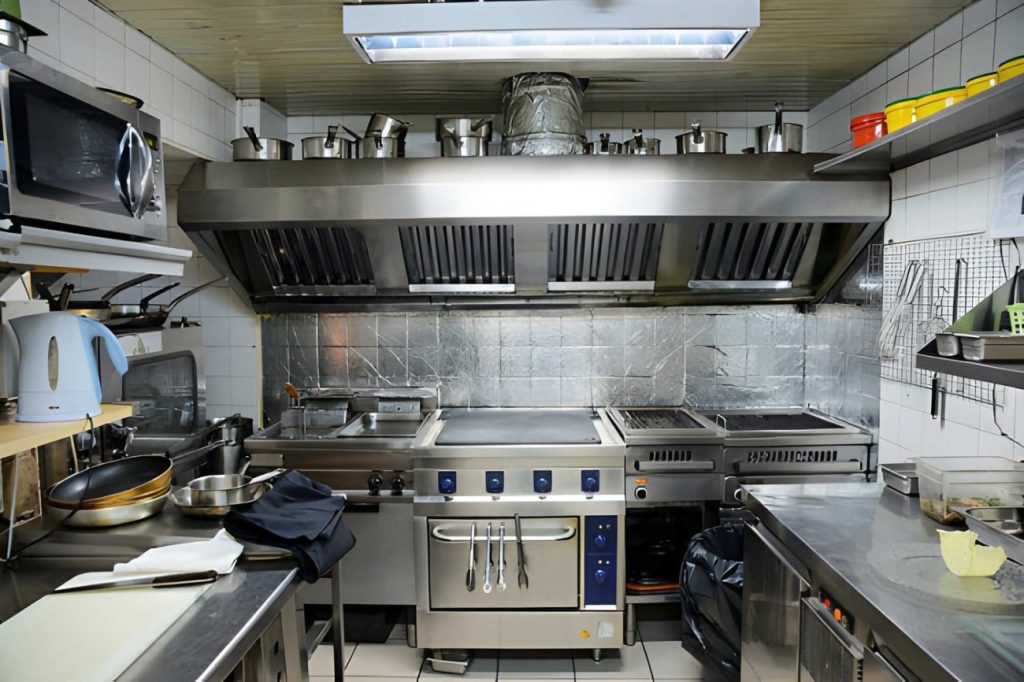
Thai restaurants face unique challenges when maintaining commercial kitchen cleanliness due to their distinctive cooking methods and ingredients. The high-heat wok cooking, frequent deep frying, and aromatic spice preparations create substantial grease buildup and airborne particles that demand specialized attention.
Commercial kitchen hood cleaning is essential for Thai restaurants because their cooking methods produce significantly more grease and smoke than typical restaurant operations, creating elevated fire risks and health code violations without proper maintenance. The National Fire Protection Association reports that improper exhaust system cleaning causes 22% of restaurant fires, making professional hood cleaning a critical safety investment.
Thai restaurant owners must understand that standard cleaning schedules may not suffice for their operations. The combination of coconut oil, palm oil, and high-temperature cooking requires more frequent professional cleaning to maintain safety standards and regulatory compliance.
Key Takeaways
- Thai restaurants generate more grease and airborne particles than average establishments due to their unique cooking methods
- Professional commercial kitchen cleaning prevents fire hazards and ensures compliance with health department regulations
- Specialized cleaning services understand the specific maintenance needs of Thai restaurant kitchen equipment and ventilation systems
The Critical Role of Commercial Kitchen Cleaning in Thai Restaurants
Thai restaurants face unique cleaning challenges due to high-heat cooking methods, extensive use of oils and spices, and complex ventilation requirements. These factors create heightened risks for health violations, fire hazards, and flavor contamination that demand specialized cleaning approaches.
Health and Food Safety Compliance
Thai restaurants must maintain strict cleanliness standards to prevent foodborne illnesses and pass health inspections. The frequent use of raw ingredients like fish sauce, fresh herbs, and seafood creates multiple contamination points throughout the kitchen.
Cross-contamination risks are particularly high in Thai kitchens due to the variety of proteins and sauces prepared simultaneously. Cutting boards, prep surfaces, and utensils require thorough sanitization between different ingredients to prevent bacterial growth.
Kitchen floors accumulate grease from wok cooking and stir-frying, creating slip hazards and bacterial breeding grounds. Daily cleaning and sanitization prevent the buildup of harmful pathogens that could lead to health code violations.
Food storage areas need regular deep cleaning to maintain proper temperatures and prevent pest infestations. Thai restaurants often store large quantities of dried spices, rice, and noodles that attract rodents and insects if not properly maintained.
Fire Risk Reduction and Prevention
Thai cooking methods generate significant grease accumulation that creates serious fire hazards without proper cleaning protocols. Wok cooking and high-temperature frying produce airborne grease particles that settle on surfaces and ventilation systems.
Hood cleaning becomes critical in Thai restaurants due to the volume of oil-based cooking. Grease buildup in exhaust systems can ignite and spread rapidly through ductwork, potentially destroying the entire establishment.
Deep fryers used for items like spring rolls and fried rice require daily cleaning and oil filtration. Old oil and food particles create flash fire risks when temperatures reach ignition points during busy service periods.
Grease traps need frequent maintenance to prevent overflow and fire hazards. Thai restaurants typically generate more grease waste than other cuisines, requiring more frequent professional cleaning services to maintain safe operations.
Preserving Authentic Flavors and Ingredient Quality
Residual flavors and odors from previous cooking sessions can contaminate new dishes and compromise the authentic taste profiles that customers expect. Thai cuisine relies on delicate balance between sweet, sour, salty, and spicy elements that cross-contamination can easily disrupt.
Spice contamination occurs when cleaning is inadequate between different dish preparations. Curry pastes and chili oils leave behind residues that can overpower milder dishes if equipment isn’t properly cleaned.
Woks and cooking surfaces require specific cleaning techniques to maintain their seasoning while removing flavor residues. Improper cleaning can damage the wok’s surface and affect heat distribution for future cooking.
Storage containers and prep equipment need thorough cleaning to prevent ingredient degradation. Thai restaurants use many fermented and acidic ingredients that can corrode equipment and create off-flavors if cleaning protocols aren’t followed consistently.
Why Choose Hood Safe LLC For Your Thai Restaurant’s Cleaning Needs
Hood Safe LLC brings specialized knowledge of high-grease cooking environments and offers tailored cleaning protocols specifically designed for the unique challenges Thai restaurants face. Their comprehensive approach delivers measurable cost reductions through preventive maintenance and compliance assurance.
Expertise in Thai Restaurant Ventilation Systems
Thai cooking generates significantly more grease and oil vapor than standard American cuisine. Hood Safe LLC understands how ingredients like coconut oil, fish sauce, and palm oil create specific residue patterns in exhaust systems.
Their technicians recognize that Thai restaurants using woks at high temperatures produce different airflow dynamics. This knowledge allows them to clean areas other companies might miss. Stir-frying and deep-frying techniques common in Thai kitchens create grease deposits in unexpected locations within ductwork.
The company’s experience with Asian restaurants means they know which cleaning agents work best on coconut oil residue. They understand that standard degreasing solutions may not effectively remove the complex oil combinations found in Thai cooking exhaust systems.
Customized Cleaning Solutions for Asian Cuisine
Hood Safe LLC adjusts their cleaning frequency recommendations based on Thai cooking methods. Restaurants using multiple woks or heavy frying operations may need more frequent service than the standard quarterly schedule.
Their cleaning protocols target specific problem areas in Thai kitchens. High-volume stir-frying stations and specialty equipment like tandoor ovens receive additional attention during service calls.
The company provides detailed before-and-after documentation showing grease removal from areas where Thai cooking residue typically accumulates. They use specialized equipment to reach tight spaces where aromatic oils from Thai spices can build up over time.
Long-Term Cost Savings With Professional Services
Regular professional cleaning reduces equipment replacement costs significantly. Thai restaurants that maintain clean exhaust systems see 40-60% longer fan motor life compared to those with irregular cleaning schedules.
Hood Safe LLC’s preventive approach identifies potential issues before they become expensive repairs. Their inspection reports document system condition and recommend maintenance timing based on actual usage patterns rather than generic schedules.
Insurance companies often reduce premiums for restaurants with documented professional cleaning records. The company’s NFPA 96 compliance documentation helps Thai restaurant owners maintain proper coverage and avoid claim disputes related to kitchen fires.