
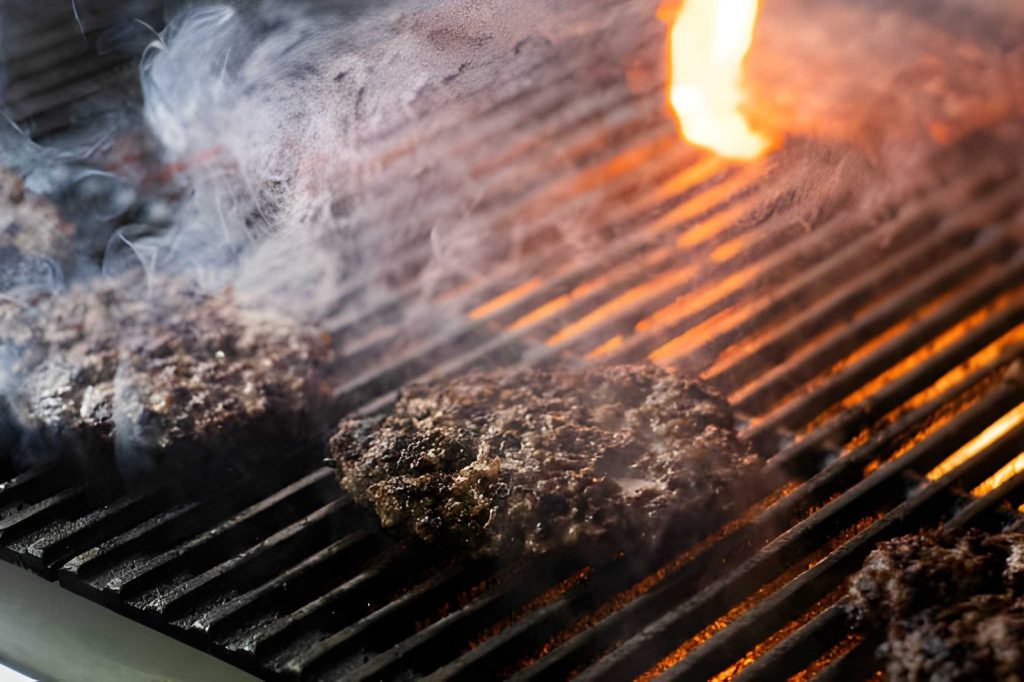
High-volume burger restaurants face distinct exhaust cleaning challenges that differ significantly from other commercial kitchens. The constant grilling of meat and frying of sides creates substantial grease accumulation that can build up rapidly in hood systems and ductwork.
High-volume burger establishments typically require monthly exhaust system cleaning due to their intensive cooking operations and elevated grease production. The National Fire Protection Association identifies grease buildup as a leading cause of restaurant fires, with failure to maintain proper cleaning schedules contributing to 22% of all restaurant fire incidents.
Understanding the specific cleaning requirements and implementing proper maintenance schedules protects both employees and business assets. Regular professional cleaning ensures compliance with NFPA 96 standards while maintaining optimal ventilation performance in these demanding kitchen environments.
Key Takeaways
- High-volume burger restaurants need monthly exhaust cleaning due to intensive grease-producing operations
- Proper maintenance prevents fire hazards and ensures compliance with safety regulations
- Professional cleaning services are essential for maintaining safe and efficient kitchen ventilation systems
Unique Challenges of Exhaust Cleaning in High-Volume Burger Restaurants
High-volume burger restaurants face distinct exhaust cleaning challenges due to excessive grease production from continuous grilling operations and the rapid accumulation of combustible residues. These establishments require more frequent maintenance schedules and face elevated fire risks when cleaning protocols are inadequate.
Impact of High Grease Output on Exhaust Systems
Burger restaurants generate significantly more grease-laden vapors than other food service establishments. The continuous grilling of hamburger patties creates dense smoke filled with grease particles that travel through exhaust systems at high volumes.
This grease behaves differently than other cooking residues. It solidifies quickly as it cools within ductwork, creating thick layers that standard cleaning methods struggle to remove completely.
High-volume operations compound this problem through sheer quantity. A busy burger restaurant may cook hundreds of patties daily, each releasing grease vapors that accumulate in exhaust fans, ductwork, and filters.
The grease buildup restricts airflow efficiency over time. Reduced ventilation creates additional heat and smoke in kitchen spaces, forcing exhaust systems to work harder and accelerating further accumulation.
Key grease accumulation areas include:
- Exhaust hood filters
- Fan blades and housing
- Horizontal ductwork sections
- Grease trap containers
Increased Frequency Requirements for Cleaning
High-volume burger restaurants typically require exhaust cleaning every 3 months compared to 6-12 months for lower-volume establishments. This shortened interval prevents dangerous grease accumulation that poses fire hazards.
Peak operating hours create continuous grease output during lunch and dinner rushes. Restaurants serving 500+ customers daily generate substantially more exhaust contamination than seasonal or low-traffic locations.
The volume of meat cooking determines cleaning frequency more than restaurant size. A small burger joint with constant grilling may need monthly cleaning, while a large restaurant with diverse menu options might manage quarterly schedules.
Local fire codes often mandate specific intervals for high-grease cooking operations. Some jurisdictions require monthly inspections and cleaning documentation for burger-focused establishments.
Frequency factors include:
- Daily customer volume
- Hours of operation
- Number of active grills
- Local fire regulations
Risks of Inadequate Maintenance in Busy Kitchens
Inadequate exhaust maintenance in high-volume burger restaurants creates severe fire hazards. Grease-saturated systems can ignite from normal cooking temperatures, spreading flames rapidly through ductwork to roof areas.
Insurance companies may deny claims for fires caused by poorly maintained exhaust systems. Many policies require documented cleaning schedules and professional service records for coverage validation.
Health department violations result from visible grease accumulation and poor air quality. Failed inspections can force temporary closures during peak business periods, causing substantial revenue losses.
Staff safety deteriorates when exhaust systems operate ineffectively. Excessive smoke and heat create uncomfortable working conditions that increase employee turnover and reduce productivity.
Critical risk areas:
- Fire hazards: Grease ignition and flame spread
- Regulatory compliance: Health and fire code violations
- Insurance issues: Claim denials and premium increases
- Operational disruption: Forced closures and repairs
Best Practices for Keeping Exhaust Systems Safe and Compliant
High-volume burger restaurants require rigorous cleaning schedules, qualified professional services, strict regulatory compliance, and proactive maintenance strategies to prevent grease fires and maintain operational efficiency.
Effective Cleaning Protocols for High-Volume Operations
High-volume burger restaurants generate substantial grease accumulation that demands frequent cleaning cycles. NFPA 96 now requires monthly hood cleanings for high-volume and 24-hour operations, replacing previous quarterly schedules.
Critical cleaning areas include:
- Exhaust hoods and filters
- Ductwork throughout the system
- Exhaust fans and rooftop components
- Grease removal equipment
Digital documentation is now mandatory for all cleaning activities. This requirement ensures proper record-keeping and compliance verification during inspections.
Cleaning should occur during off-peak hours to minimize operational disruption. The process must address all grease deposits from the hood interior to the exhaust fan discharge point. Access panels in ductwork facilitate thorough cleaning and inspection, as required by updated NFPA 96 standards.
Temperature monitoring during cleaning helps identify areas with excessive grease buildup. These hotspots require additional attention to prevent fire hazards.
Selection and Training of Professional Cleaning Services
Selecting qualified cleaning services protects against liability and ensures proper maintenance. The International Kitchen Exhaust Cleaning Association (IKECA) provides certification standards for professional cleaners.
Key qualifications to verify:
- IKECA certification and training
- Insurance coverage and bonding
- Experience with high-volume operations
- Understanding of current NFPA 96 requirements
Professional services should provide detailed cleaning reports with before and after photos. They must document grease thickness measurements and identify areas requiring additional maintenance.
Training requirements extend beyond basic cleaning techniques. Certified professionals understand proper chemical usage, safety protocols, and equipment handling procedures.
Regular communication between restaurant management and cleaning crews ensures consistent service quality. Establish clear expectations for cleaning frequency, documentation standards, and emergency response procedures.
Adherence to Local and Federal Safety Standards
NFPA 96 compliance forms the foundation of exhaust system safety. The 2025 updates introduce stricter requirements for fire suppression systems, mandating UL-300 compliance without grandfathering provisions.
Current compliance requirements:
- Monthly cleaning for high-volume operations
- UL-300 compliant fire suppression systems
- Enhanced ductwork access panels
- Rooftop grease containment systems
- Digital documentation requirements
Local fire departments and health inspectors enforce these standards through regular inspections. Violations result in fines, operational shutdowns, or increased insurance premiums.
Fire suppression systems require quarterly inspections by certified technicians. These systems must integrate properly with exhaust equipment and provide adequate coverage for all cooking surfaces.
Building codes may impose additional requirements beyond NFPA 96 standards. Check local regulations for specific ventilation rates, ductwork materials, and installation specifications.
Preventive Maintenance to Reduce Downtime
Regular maintenance prevents costly repairs and operational interruptions. Grease buildup reduces system efficiency and increases fire risks, making preventive care essential for high-volume operations.
Monthly maintenance tasks:
- Filter inspection and replacement
- Fan belt tension checks
- Motor lubrication
- Grease trap cleaning
Exhaust fan maintenance includes cleaning accumulated grease from blades and housing. Balanced fans operate more efficiently and reduce mechanical stress on motor components.
Ductwork inspections identify structural issues before they cause system failures. Look for grease leaks, joint separations, and corrosion damage that compromise system integrity.
Temperature monitoring helps identify performance degradation. Elevated temperatures in ductwork may indicate restricted airflow or excessive grease accumulation requiring immediate attention.
Schedule maintenance during planned downtime to avoid disrupting service. Emergency repairs cost significantly more than preventive maintenance and may force temporary closures.