
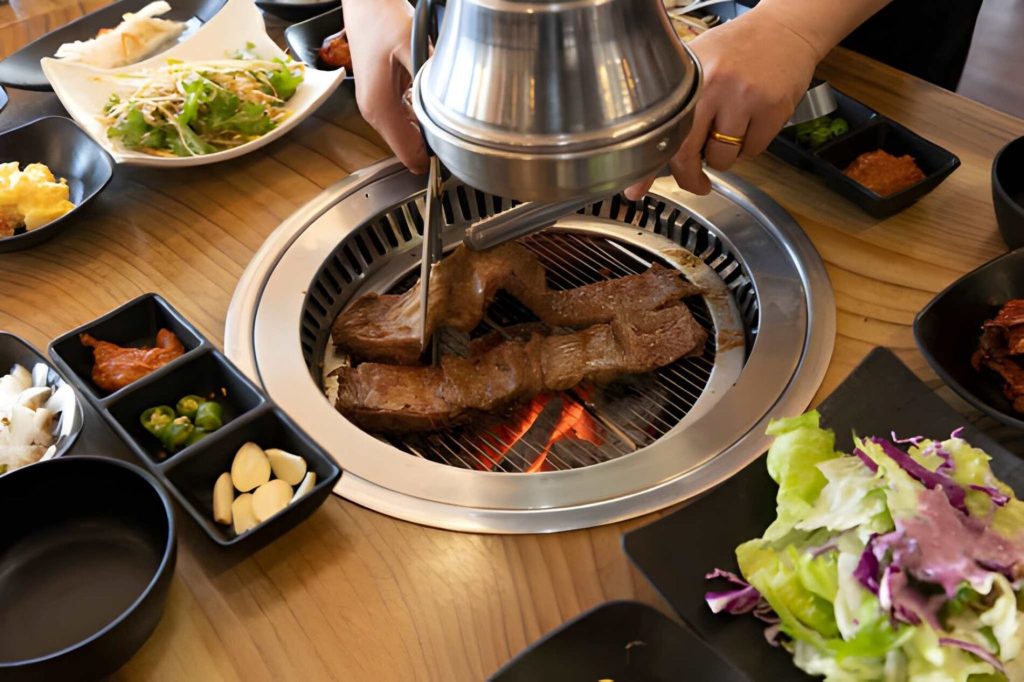
Korean BBQ restaurants face unique ventilation challenges due to their tabletop grilling systems that generate intense smoke, grease, and heat directly in dining areas. Unlike traditional restaurant kitchens where cooking is centralized, Korean BBQ establishments require specialized exhaust systems that work continuously throughout service to maintain air quality and customer comfort.
Frequent exhaust cleaning in Korean BBQ kitchens is critical because grease buildup occurs at an accelerated rate due to constant high-temperature cooking and can create serious fire hazards within weeks rather than months. The combination of marinated meats, high cooking temperatures, and extended operating hours creates a perfect storm for rapid grease accumulation in exhaust systems.
Professional exhaust cleaning services understand the specific demands of Korean BBQ operations and can develop maintenance schedules that prevent dangerous buildup while ensuring compliance with fire safety codes. Regular cleaning not only protects against fire risks but also maintains the efficiency of ventilation systems that are essential for creating the smoke-free dining experience customers expect.
Key Takeaways
- Korean BBQ kitchens require more frequent exhaust cleaning than traditional restaurants due to intensive tabletop grilling operations
- Grease buildup in Korean BBQ exhaust systems creates significant fire hazards and can compromise air quality within weeks
- Professional cleaning services with Korean BBQ expertise ensure proper maintenance schedules and compliance with safety regulations
Why Frequent Exhaust Cleaning Is Vital in Korean BBQ Kitchens
Korean BBQ kitchens face unique challenges due to high-fat cooking methods and constant grilling operations that produce excessive grease and smoke. These conditions create elevated fire risks, compromise air quality, and require strict adherence to safety regulations while potentially damaging expensive equipment without proper maintenance.
Preventing Grease Fires and Safety Hazards
Korean BBQ operations generate significantly more grease than traditional restaurants due to continuous meat grilling and high-fat cooking methods. This grease accumulates rapidly in exhaust systems, creating dangerous fire conditions.
High-Risk Factors in Korean BBQ Kitchens:
- Constant grilling of marinated meats with high fat content
- Multiple cooking stations operating simultaneously
- Extended operating hours with continuous smoke production
- Hot cooking surfaces that can ignite grease buildup
Grease buildup in exhaust systems acts as fuel for fires that can spread rapidly through ventilation systems. The combination of hot cooking surfaces and accumulated grease creates ignition sources throughout the kitchen.
Regular cleaning removes these fire hazards before they reach dangerous levels. Professional cleaning eliminates grease deposits from ductwork, fans, and exhaust hoods where fires typically start and spread most quickly.
Maintain Proper Air Quality for Employees and Guests
Korean BBQ restaurants rely on efficient ventilation systems to manage the substantial smoke and fumes generated by tabletop grilling and kitchen operations. Poor air quality affects both staff productivity and customer experience.
Clogged exhaust systems cannot effectively remove smoke, grease particles, and cooking odors from the dining and kitchen areas. This leads to uncomfortable working conditions for employees and an unpleasant atmosphere for guests.
Air Quality Issues from Poor Exhaust Maintenance:
- Smoke accumulation in dining areas
- Grease particles circulating through ventilation
- Strong cooking odors that persist
- Reduced ventilation efficiency
Clean exhaust systems maintain proper airflow rates and effectively capture cooking emissions at their source. This ensures comfortable indoor air quality that keeps employees healthy and creates an inviting dining environment for customers.
Complying with Local Health and Fire Regulations
Commercial kitchens must meet strict cleaning frequency requirements established by local health departments and fire safety codes. Korean BBQ restaurants often face more stringent requirements due to their high-volume grease production.
Most jurisdictions require monthly exhaust cleaning for high-volume cooking operations like Korean BBQ establishments. Failure to maintain proper cleaning schedules results in code violations, fines, and potential closure orders.
Regulatory Compliance Requirements:
- Monthly professional exhaust cleaning for high-volume operations
- Documentation of all cleaning services performed
- Regular inspections by local authorities
- Fire suppression system maintenance
Health inspectors and fire marshals regularly examine exhaust systems and cleaning records during inspections. Proper maintenance demonstrates compliance and helps avoid costly violations or operational shutdowns.
Extending the Lifespan of Kitchen Equipment
Korean BBQ kitchens invest heavily in specialized ventilation equipment designed to handle intense cooking operations. Grease buildup forces these systems to work harder and causes premature component failure.
Accumulated grease creates additional resistance in ductwork and clogs exhaust fans, making motors work beyond their designed capacity. This increased strain leads to frequent repairs and early equipment replacement.
Equipment Damage from Poor Maintenance:
- Exhaust fan motor burnout from increased resistance
- Ductwork corrosion from grease acid buildup
- Reduced airflow capacity requiring system upgrades
- Higher energy consumption from decreased efficiency
Regular cleaning maintains optimal airflow and reduces mechanical stress on ventilation components. Clean systems operate at designed efficiency levels and require fewer repairs, maximizing the return on equipment investments while maintaining consistent performance throughout their intended lifespan.
Best Practices for Effective Exhaust Cleaning by Hood Safe LLC
Korean BBQ kitchens require specialized cleaning approaches due to intense grease production and unique cooking methods. Proper frequency scheduling, comprehensive cleaning procedures, and certified service providers ensure optimal safety and compliance.
Recommended Cleaning Frequency for Korean BBQ Restaurants
Korean BBQ establishments generate significantly more grease than traditional restaurants due to tableside cooking and high-fat meat preparation. The National Fire Protection Association (NFPA 96) requires monthly cleaning for high-volume operations.
Most Korean BBQ restaurants should schedule cleaning every 2-4 weeks depending on volume. Peak-volume locations serving over 200 customers daily need bi-weekly service. Medium-volume restaurants can typically maintain 3-4 week intervals.
Factors affecting cleaning frequency:
- Daily customer volume
- Hours of operation
- Types of meats served
- Cooking oil usage
- Existing grease buildup levels
Restaurants using traditional Korean marinades with sugar content require more frequent cleaning. The caramelization process creates sticky residues that accumulate faster than standard cooking byproducts.
Winter months often require adjusted schedules due to reduced natural ventilation. Increased indoor cooking without adequate air circulation accelerates grease accumulation in exhaust systems.
Key Steps in Professional Exhaust Hood Cleaning
Hood Safe LLC follows a systematic approach targeting all exhaust system components. The process begins with complete system shutdown and equipment protection using specialized coverings.
Pre-cleaning preparation includes removing filters, inspecting ductwork accessibility, and documenting existing conditions. Technicians photograph problem areas and measure grease thickness levels for compliance records.
The cleaning process uses food-safe degreasers and high-pressure hot water systems. All surfaces receive manual scraping to remove stubborn buildup before chemical application. Ductwork cleaning extends from the hood to the roof exhaust fan.
Critical cleaning zones include:
- Hood interior surfaces and corners
- Baffle filters and grease traps
- Exhaust fan blades and housing
- Ductwork joints and horizontal runs
- Access panels and hinges
Post-cleaning inspection verifies complete grease removal and proper system reassembly. Technicians test fan operation and airflow measurements before final approval.
Choosing the Right Certified Cleaning Provider
Selecting qualified exhaust cleaning services requires verification of specific certifications and insurance coverage. International Kitchen Exhaust Cleaning Association (IKECA) certification demonstrates professional training and industry knowledge.
Certified providers carry comprehensive liability insurance covering fire damage and property loss. Verify coverage amounts exceed $2 million for adequate protection against potential claims.
Essential provider qualifications:
- IKECA certification for all technicians
- Local business licensing
- Workers compensation insurance
- Hazardous waste disposal permits
- NFPA 96 compliance training
Request detailed service proposals including cleaning scope, frequency recommendations, and emergency response availability. Quality providers offer 24-hour emergency cleaning for health department violations or equipment failures.
Review customer references from similar Korean BBQ establishments. Experienced providers understand unique challenges including kimchi odors, bulgogi marinades, and banchan preparation requirements that affect exhaust system maintenance.