
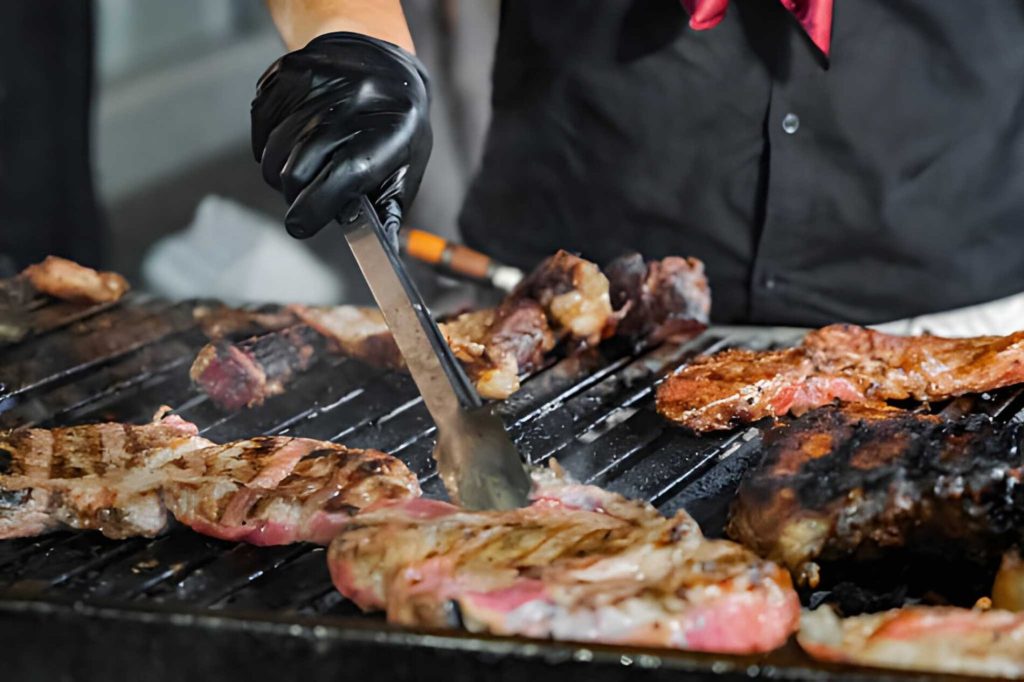
Steakhouse kitchens face unique challenges when it comes to exhaust system maintenance due to their high-temperature cooking methods and constant grilling operations. The intense heat from broilers, grills, and char-cooking equipment generates significantly more grease-laden vapors than typical restaurant kitchens.
Steakhouse kitchens typically require exhaust cleaning every 30-60 days compared to the standard quarterly schedule for most restaurants, as the high-fat content from beef and continuous grilling creates rapid grease accumulation. This accelerated buildup occurs because steakhouses rely heavily on open-flame cooking and searing techniques that produce substantial amounts of airborne grease particles.
The combination of high cooking volumes and grease-heavy menu items means steakhouse operators cannot follow standard cleaning intervals without risking fire hazards and code violations. Regular monitoring of grease thickness and working with certified cleaning professionals becomes essential for maintaining safe operations and protecting both staff and customers.
Key Takeaways
- Steakhouse kitchens need exhaust cleaning every 1-2 months due to heavy grease production from high-temperature cooking
- Open-flame grilling and char-cooking methods generate more airborne grease particles than standard restaurant cooking techniques
- Professional cleaning and regular maintenance are critical for fire safety and regulatory compliance in steakhouse operations
Why Steakhouse Kitchens Require More Frequent Exhaust Cleaning
Steakhouse kitchens produce significantly more grease and airborne contaminants than typical restaurants due to high-temperature cooking methods like grilling and charbroiling. These operations create unique fire safety challenges and require specialized maintenance protocols to meet health regulations.
Higher Volume of Grease and Smoke Production
Steakhouses generate substantially more grease-laden vapors than other restaurant types. High-temperature grilling and searing of steaks produces dense smoke and grease particles that quickly accumulate in exhaust systems.
The constant cooking of fatty cuts of meat at temperatures exceeding 500°F creates continuous grease production. Ribeye steaks, prime ribs, and other marbled cuts release significant amounts of fat during cooking. This grease vaporizes and travels through the exhaust system, coating ductwork and filters.
Unlike restaurants with varied menus, steakhouses maintain consistent high-volume grease output throughout service. A busy steakhouse can produce three to four times more grease accumulation than establishments serving lighter fare. This accelerated buildup reduces the standard 90-day cleaning intervals to 30-60 days depending on volume.
Specialized Cooking Methods and Equipment
Steakhouse cooking equipment generates more airborne contaminants than standard restaurant appliances. Charbroilers, salamanders, and high-BTU grills operate at extreme temperatures that create unique exhaust challenges.
Charbroiling produces the heaviest grease load of any cooking method. The direct flame contact with fatty meats creates intense smoke and grease vapor production. Many steakhouses also use wood-fired grills or lava rock systems that add additional particulates to exhaust air.
Salamanders and broilers used for finishing steaks operate at peak temperatures for extended periods. These units contribute to continuous grease vapor production even during slower service periods.
The combination of multiple high-heat cooking surfaces running simultaneously creates compound grease accumulation. Standard exhaust systems struggle to capture and filter the volume of contaminants produced by specialized steakhouse equipment.
Unique Fire Risk Factors in Steakhouses
Steakhouse operations present elevated fire risks due to grease accumulation patterns and cooking methods. The high-fat content of menu items creates accelerated grease buildup in exhaust systems that can ignite more readily.
Grease fires spread rapidly through contaminated ductwork in steakhouse exhaust systems. The concentrated fat deposits from continuous steak cooking create highly flammable conditions. Even small ignition sources can cause extensive damage when grease buildup exceeds safe levels.
Open flame cooking methods increase ignition risks compared to other cooking styles. Flare-ups from charbroilers can send flames directly into exhaust hoods, potentially igniting accumulated grease deposits.
Insurance companies often require more frequent cleaning schedules for steakhouses due to these elevated risks. Many policies mandate monthly inspections and cleaning intervals no longer than 60 days to maintain coverage.
Health and Safety Compliance for Restaurants
Steakhouses must meet stricter exhaust maintenance requirements due to their high grease production and fire risks. Local health departments often impose more frequent cleaning mandates for establishments using charbroiling equipment.
NFPA 96 guidelines recommend monthly cleaning for systems serving solid fuel cooking equipment common in steakhouses. Many jurisdictions adopt these standards as minimum requirements for operating permits.
Health inspectors focus heavily on exhaust system cleanliness in steakhouses during routine visits. Visible grease accumulation can result in violations, fines, or temporary closures. Proper documentation of cleaning schedules becomes essential for maintaining health department compliance.
Regular cleaning also ensures proper ventilation performance in steakhouse kitchens. Grease buildup reduces airflow efficiency, leading to poor air quality that can affect food safety and worker health. Maintaining clean exhaust systems helps steakhouses avoid regulatory issues while protecting staff and customers.
Best Practices for Maintaining Steakhouse Kitchen Exhaust Systems
Steakhouse kitchens require intensified maintenance schedules due to higher grease production from constant grilling operations. Proper staff training, strategic service provider selection, and proactive maintenance approaches significantly reduce fire risks and operational costs.
Scheduling Regular Professional Cleanings
Steakhouse kitchens typically require professional exhaust cleaning every 30-60 days compared to standard restaurants that may operate on 90-day cycles. High-volume grilling operations produce substantial grease accumulation that demands more frequent attention.
Recommended Cleaning Frequencies:
- Heavy Volume Steakhouses: Every 30 days
- Moderate Volume: Every 45 days
- Lower Volume: Every 60 days
The cleaning schedule should align with your grilling frequency and kitchen volume. Kitchens operating wood-fired grills or cooking over 500 steaks weekly need monthly service.
Professional cleanings must cover the entire exhaust system including hoods, ducts, and fans. NFPA 96 compliance requires documentation of each cleaning with certificates posted in visible locations.
Monitor grease accumulation between cleanings. If grease buildup exceeds 1/8 inch on any surface, schedule immediate professional service regardless of your regular schedule.
Staff Training and Daily Maintenance Routines
Daily maintenance routines prevent excessive grease buildup between professional cleanings. Train kitchen staff to perform specific tasks that extend system life and maintain safety standards.
Daily Tasks Include:
- Cleaning hood filters after each shift
- Wiping down accessible hood surfaces
- Checking exhaust fan operation
- Documenting any unusual odors or performance issues
Kitchen staff should remove and clean baffle filters using degreasing agents and hot water. Filters require thorough cleaning every 24 hours in high-volume steakhouse operations.
Train employees to recognize warning signs of system problems. These include reduced airflow, unusual noises, or visible grease dripping. Staff should immediately report these issues to management.
Implement a maintenance log system. Record daily cleaning activities, filter changes, and any observed problems. This documentation helps track system performance and supports compliance requirements.
Choosing the Right Exhaust Cleaning Service
Select service providers with specific steakhouse experience and proper certifications. Not all exhaust cleaning companies understand the unique challenges of high-grease cooking environments.
Essential Qualifications:
- IKECA membership (International Kitchen Exhaust Cleaning Association)
- Commercial kitchen experience (minimum 5 years)
- Proper insurance coverage ($1 million+ liability)
- NFPA 96 compliance knowledge
Request detailed service proposals that specify cleaning methods and coverage areas. Quality providers use steam cleaning or pressure washing with appropriate degreasers for thorough grease removal.
Verify that the service includes complete system access. Steakhouse exhaust systems often have complex ductwork requiring specialized equipment and techniques.
Compare pricing structures carefully. The lowest bid often indicates inadequate service that could compromise safety and compliance. Quality exhaust cleaning represents an investment in fire prevention and operational efficiency.
Long-Term Benefits of Proactive Maintenance
Proactive maintenance reduces fire insurance premiums and prevents costly emergency repairs. Insurance companies often offer discounts for documented regular maintenance programs.
Well-maintained exhaust systems operate more efficiently, reducing energy costs. Clean systems require less fan power to achieve proper ventilation, lowering monthly utility expenses.
Regular maintenance extends equipment lifespan significantly. Exhaust fans and ductwork last 15-20 years longer with proper care compared to neglected systems.
Financial Benefits:
- Reduced insurance premiums: 10-15% typical discount
- Lower energy costs: Up to 20% fan power reduction
- Fewer emergency repairs: 75% reduction in system failures
- Extended equipment life: Additional 15+ years of service
Consistent maintenance prevents health department violations and potential closure orders. Steakhouses face scrutiny due to high grease production, making compliance documentation essential for continued operation.