
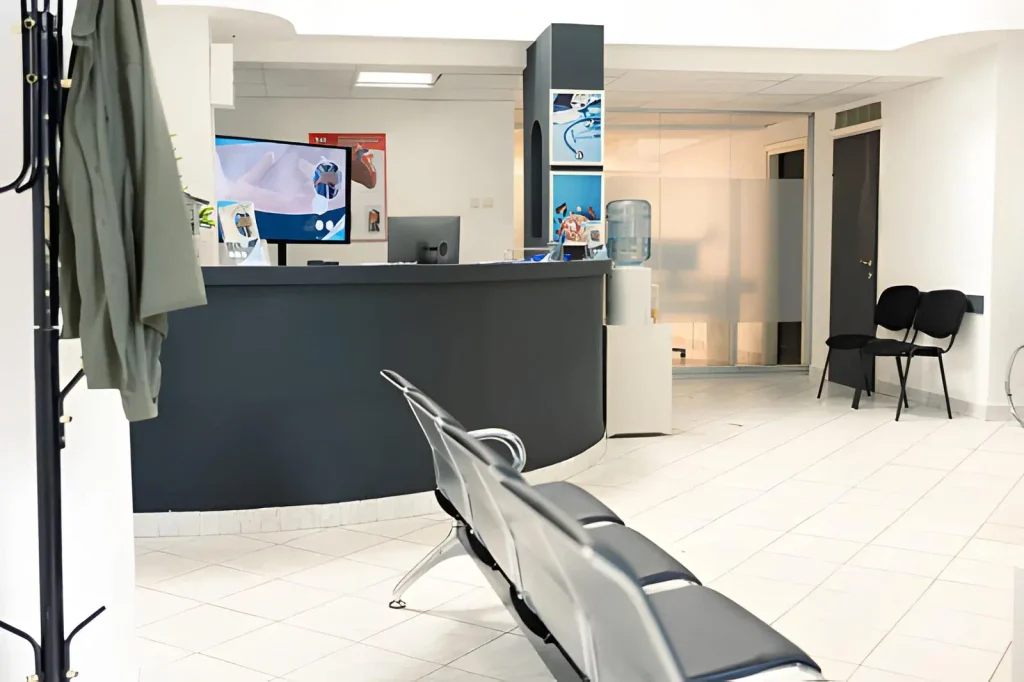
Patients form an opinion about a medical practice before they ever see a provider. A clean, well-maintained waiting room signals that a practice takes patient safety and professionalism seriously, which directly builds trust before the first interaction with staff. A stained chair or an overflowing trash bin sends the opposite message, regardless of the quality of care provided in the exam room.
For practice administrators and clinic owners, waiting room cleanliness is not just about appearances. It reflects operational discipline and attention to detail that patients often associate with clinical competence. When patients feel confident in their surroundings, they are more likely to trust the practice with their health decisions.
This article looks at how cleanliness shapes first impressions, which areas in a waiting room need the most consistent attention, and how to build a cleaning program that supports long-term patient confidence.
Key Takeaways
- A clean waiting room creates an immediate sense of trust and professionalism for patients.
- Certain high-traffic areas require more frequent attention to prevent cleanliness issues from affecting patient perception.
- Consistent cleaning routines and regular evaluation help maintain patient confidence over time.
How Cleanliness Shapes First Impressions And Confidence
A patient’s evaluation of a practice begins before any clinical interaction takes place. The waiting room serves as the first data point for judging competence, and patients use visible cues to form quick conclusions about the quality of care they can expect.
Visible Cues Patients Notice Immediately
Patients scan a waiting room within seconds of entering. Certain details register faster than others and carry more weight in shaping perception.
Common cues include:
- Floors and carpets: stains, dust buildup, or visible debris
- Seating: fabric condition, stains, or wear on chairs and cushions
- Surfaces: dust on tables, magazine racks, or reception counters
- Air quality: unusual odors or stale air
- Trash receptacles: overflowing bins or visible waste
These details are processed quickly, often without conscious effort. A single overflowing trash can or a dusty end table can shift a patient’s mindset before they speak with staff. Practice administrators should treat these visible elements as priority checkpoints during daily inspections, since patients notice them faster than administrative signage or credentials displayed on the wall.
The Link Between Environmental Order And Perceived Care Quality
Patients often use waiting room conditions as a proxy for clinical standards, even without direct evidence linking the two. A disorganized or unkempt space can raise questions about whether the same lack of attention extends to sterilization practices or patient records.
Clean, orderly environments suggest consistency and discipline. Patients are more likely to assume that a practice maintaining visible order also maintains rigorous standards in areas they cannot see, such as equipment sanitation or infection control protocols.
This connection matters most for new patients who have no prior experience with the practice. Returning patients build trust through repeated visits, but first-time visitors rely heavily on immediate visual signals to judge whether they are in capable hands.
High-Impact Areas That Require Consistent Attention
Patients form judgments quickly, and certain areas of a waiting room carry more weight than others. Focusing cleaning efforts on high-touch and high-traffic zones produces the most noticeable impact on patient perception.
Seating, Floors, And High-Touch Surfaces
Chairs and sofas accumulate skin oils, hair, and fabric odors faster than most administrators expect. Vinyl or leather seating should be wiped down multiple times per day, while upholstered furniture needs vacuuming and periodic deep cleaning to prevent buildup.
Floors require attention beyond a nightly sweep. Spills, tracked-in debris, and scuff marks near entryways should be addressed as they occur, not left for end-of-day cleaning.
High-touch surfaces deserve a dedicated checklist:
- Doorknobs and handles
- Light switches
- Magazine racks or tablet stands
- Armrests
- Check-in kiosks or clipboards
These points get touched by nearly every visitor, making them a direct line for germ transfer if neglected.
Restrooms, Reception Desks, And Shared Amenities
Restrooms carry outsized influence on patient trust. A single unpleasant restroom experience can undo the positive impression created elsewhere in the clinic. Toilets, sinks, faucet handles, and paper dispensers need checks every few hours, not just once daily.
The reception desk is another focal point since it’s often the first physical surface patients approach. Pens, clipboards, and countertops should be sanitized regularly, especially during flu season or peak hours.
Shared amenities—water stations, coffee machines, children’s play areas—require the same scrutiny. These items see frequent hand contact and are easy to overlook during routine cleaning schedules.
Building A Reliable Cleaning Program For Your Practice
A structured cleaning program removes guesswork from daily operations. It sets clear expectations for staff and gives administrators a way to verify that standards are consistently met.
Creating Task Lists And Cleaning Frequencies
Every waiting room needs a written schedule that assigns specific tasks to specific times. Vague instructions like “clean as needed” lead to inconsistent results.
A basic frequency chart might look like this:
| Task | Frequency |
| Wipe down chairs and armrests | Every 2-3 hours |
| Disinfect door handles and counters | Hourly |
| Vacuum or mop floors | Daily, minimum |
| Empty trash bins | Daily, or when full |
| Clean windows and glass surfaces | Weekly |
| Deep clean upholstery | Monthly |
Assign each task to a named staff member or shift. Include a sign-off log so managers can confirm completion without relying on memory or assumption.
Training Staff And Using Professional Cleaning Support
Staff need clear instructions on which products to use, how long surfaces should stay wet with disinfectant, and which areas require extra attention. Written guidance reduces errors caused by rushed or inconsistent cleaning habits.
Many practices supplement in-house efforts with a professional cleaning service, particularly for tasks like carpet extraction, upholstery treatment, and HVAC vent cleaning. These jobs require equipment and expertise that front-desk or clinical staff typically don’t have.
A combined approach works well:
- In-house staff handle daily touchpoints and visible surfaces
- Professional cleaners manage deep cleaning on a set schedule, such as weekly or biweekly
This division keeps the waiting room presentable between service visits while ensuring deeper sanitation issues don’t accumulate over time.
Measuring Results And Maintaining Patient Confidence
Cleanliness efforts only build trust when practices track them consistently and act on what they find. This means collecting direct patient input and holding waiting rooms to fixed standards through regular checks.
Gathering Patient Feedback
Patient surveys reveal whether cleanliness perceptions match staff expectations. Short post-visit questionnaires, either on paper or through text and email, can ask patients to rate waiting room cleanliness on a simple scale.
Online reviews often mention cleanliness without being prompted. Practice administrators should monitor these comments monthly and note recurring complaints, such as odors or cluttered magazine racks.
Front desk staff hear informal feedback throughout the day. Training them to log these comments in a shared document turns casual remarks into useful data.
Comparing feedback across time periods shows whether changes in cleaning routines or vendors improve patient perception. A drop in negative comments after a schedule adjustment confirms the change worked.
Reviewing Standards And Addressing Gaps Promptly
Written cleaning checklists give administrators a clear standard to measure against. Daily, weekly, and monthly tasks should each have a named responsible party and a completion log.
| Review Type | Frequency | Focus Areas |
| Visual inspection | Daily | Floors, seating, trash bins |
| Staff walkthrough | Weekly | Air quality, surfaces, restrooms |
| Formal audit | Monthly | Full checklist compliance |
Gaps between the standard and actual conditions need fast correction. A stained chair or overflowing bin left unaddressed for days signals neglect to waiting patients.
Administrators should assign one staff member to confirm corrections happen, not just get flagged. This closes the loop between inspection and action, keeping cleanliness consistent rather than reactive.