
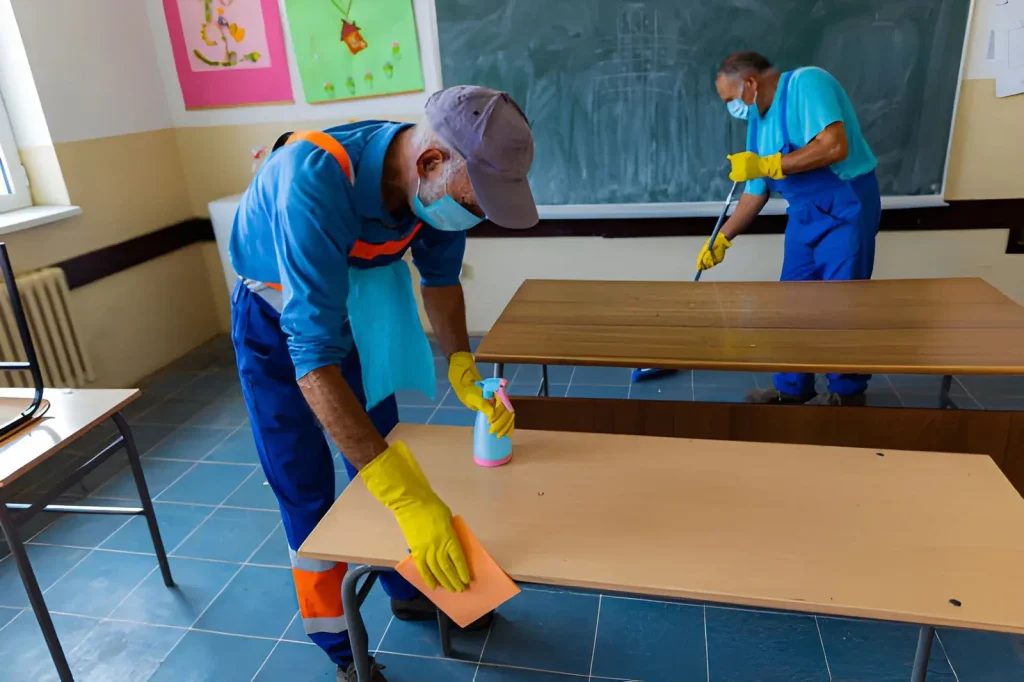
Michigan schools face a tight turnaround between summer break and the first day of class, leaving facilities teams little room for error when it comes to deep cleaning. A thorough back-to-school cleaning plan covers kitchens, cafeterias, classrooms, and shared spaces while meeting Michigan health and safety codes before students return. Administrators and facilities directors who start early avoid the scramble that comes with last-minute inspections or unexpected maintenance issues.
Kitchen and cafeteria areas carry the highest stakes, since food safety violations can shut down meal service on day one. Hood systems, exhaust vents, and grease traps require professional attention that general custodial staff often cannot provide. Michigan’s climate also plays a role, as summer humidity can accelerate mold growth and grease buildup in commercial kitchen equipment left unused for weeks.
Building a cleaning schedule that holds up throughout the school year takes more than a one-time deep clean. Facilities directors need a repeatable process that accounts for state fire codes, health department requirements, and the daily wear that comes with feeding hundreds of students. This article breaks down what needs attention before the first bell rings and how to keep those standards in place all year.
Key Takeaways
- Michigan schools need a structured deep cleaning plan that addresses kitchens, cafeterias, and classrooms before the school year starts.
- Commercial kitchen equipment, including hood systems and exhaust vents, requires professional cleaning to meet food safety and fire code standards.
- A sustainable, repeatable cleaning schedule helps schools maintain compliance and safety standards throughout the entire school year.
Pre-Opening Cleaning Priorities
Before students return, Michigan schools need a targeted cleaning approach that addresses the areas most likely to harbor germs and accumulate dust after summer closures. The priorities below focus on high-touch surfaces, classroom resets, and restroom readiness.
High-Touch Surface Disinfection
Door handles, light switches, and stair railings collect bacteria fastest once foot traffic resumes. Facilities teams should disinfect these surfaces using an EPA-registered disinfectant before the first bell rings.
Common high-touch points include:
- Door handles and push bars
- Handrails and stairwell walls
- Elevator buttons
- Light switches and thermostats
- Shared equipment like copiers and vending machines
Contact time matters here. Many disinfectants require the surface to stay wet for a specific period, often listed on the product label, to kill bacteria and viruses effectively.
Skipping this step reduces disinfectant efficacy even if the product is applied. Schools should assign this task to trained staff who understand proper dwell times and dilution ratios for each cleaning product used.
Classroom And Common-Area Reset
Classrooms sitting empty for weeks accumulate dust on shelves, desks, and HVAC vents. A full reset means wiping down desks, chairs, and cubbies, then vacuuming carpets and mopping hard floors with a neutral cleaner.
Common areas need equal attention. Cafeterias, gymnasiums, and libraries see heavy use once school resumes, so these spaces should be cleaned and inspected for maintenance issues before students arrive.
Key reset tasks include:
- Wiping desks, chairs, and shared learning materials
- Cleaning whiteboards and dry-erase surfaces
- Checking and replacing air filters
- Dusting bookshelves, window sills, and vents
- Inspecting flooring for wear or damage
This process also gives facilities directors a chance to spot repairs needed before students return, such as loose tiles or malfunctioning vents.
Restroom Sanitization And Supply Checks
Restrooms require the most thorough cleaning of any space in the building. Toilets, sinks, and floors need disinfecting with products approved for use in schools, paying close attention to grout lines and fixture bases where grime builds up.
Supply checks matter just as much as cleaning itself. Running out of soap or paper towels on day one creates hygiene gaps that are easy to avoid with advance planning.
Before opening day, staff should confirm:
- Soap and hand sanitizer dispensers are full
- Paper towel and toilet paper stock is adequate
- Automatic flush and faucet sensors work correctly
- Trash receptacles are empty and lined
- Ventilation fans are functioning
Michigan’s humidity levels in late summer can encourage mold growth in restrooms with poor airflow, so checking exhaust fans during this window is worthwhile.
Kitchen And Cafeteria Safety Preparation
Michigan school cafeterias run at full capacity once fall classes resume, and summer downtime often leaves grease buildup, food residue, and equipment issues unaddressed. Facilities directors should schedule kitchen inspections and cleaning before the first meal service to meet local health codes and reduce fire risk.
Commercial Hood And Exhaust System Cleaning
Kitchen exhaust hoods collect grease vapor throughout the school year, and this buildup increases fire risk inside ductwork and filters. NFPA 96 sets the standard for commercial kitchen exhaust cleaning, and most school districts require documented compliance before reopening.
A licensed hood cleaning company should inspect and clean the following components:
- Hood canopy and filters
- Ductwork interior surfaces
- Exhaust fan housing and blades
- Rooftop fan access points
Michigan fire marshals may request cleaning records during inspections. Keep a service log with dates, technician certification numbers, and before-and-after photos on file at the school.
Grease Removal And Fire Prevention
Grease traps, floor drains, and under-equipment areas need attention before students return. Built-up grease in these spots creates slip hazards and feeds pest activity.
Facilities staff should check these items during pre-opening walkthroughs:
| Area | Action Needed |
| Grease traps | Pump and clean |
| Fryer stations | Degrease surfaces and floors |
| Fire suppression system | Confirm inspection tag is current |
| Fire extinguishers (Class K) | Verify pressure and inspection date |
Class K fire extinguishers are required near cooking equipment in Michigan school kitchens. Confirm each unit has passed its annual inspection before staff begin food prep for the school year.
Food-Service Area Deep Cleaning
Cafeteria surfaces, storage rooms, and dining areas need a full cleaning pass separate from hood and grease work. This includes walk-in coolers, dry storage shelving, serving lines, and dish-washing stations.
Priority tasks include:
- Sanitizing food contact surfaces with an approved solution
- Checking cooler and freezer temperature logs for accuracy
- Cleaning behind and under heavy equipment
- Inspecting dish machine wash and rinse temperatures
Staff should also verify that hand-washing stations have soap, paper towels, and posted signage. Michigan health inspectors check these details during routine visits, so addressing them before the semester starts prevents delays or citations once meal service begins.
Michigan Compliance And Seasonal Readiness
Michigan schools face specific documentation, air quality, and seasonal maintenance requirements that fall outside routine daily cleaning. Facilities directors who plan for these areas before the first bell rings avoid last-minute compliance gaps and costly repairs.
Health And Fire Code Documentation
Michigan schools must maintain records demonstrating compliance with state health and fire safety codes. LARA and local fire marshals may request documentation during inspections, so files should be current and accessible.
Key documents to have ready include:
- Kitchen exhaust hood cleaning certificates (NFPA 96 compliance)
- Fire suppression system inspection reports
- Boiler and HVAC maintenance logs
- Pest control service records
- Water testing results for lead and bacteria
Kitchen exhaust systems require professional cleaning and certification at intervals set by local fire codes, typically every three to six months depending on cooking volume. Missing or outdated certificates can result in failed inspections or delayed school openings. Keep both digital and physical copies on file, and confirm renewal dates before the semester starts.
Mold, Moisture, And Indoor Air Quality Checks
Michigan’s humid summers and closed buildings create conditions favorable to mold growth. Facilities teams should inspect classrooms, locker rooms, and basements for visible moisture, musty odors, or water staining before students return.
Priority inspection areas include:
| Area | What To Check |
| HVAC units | Filter condition, coil moisture, drain lines |
| Ceiling tiles | Discoloration or sagging |
| Windows and sills | Condensation buildup |
| Basements/storage | Standing water, damp cardboard or carpet |
Any area showing mold growth larger than ten square feet should be handled by a certified remediation contractor, not general custodial staff. HVAC filters should be replaced before occupancy resumes, and dehumidifiers in problem zones should be checked for proper function. Documenting these checks protects the district if air quality concerns arise later in the year.
Winter Entryway And Floor Care Planning
Michigan’s winter weather brings salt, slush, and moisture into school entryways within weeks of the school year starting. Planning floor care now prevents slip hazards and flooring damage once temperatures drop.
Steps to prepare include:
- Inspect and replace worn entrance mats before October
- Apply floor finish or sealant to high-traffic areas
- Stock ice-melt products rated safe for indoor tracking
- Schedule increased mopping frequency for entryways starting in November
Walk-off mat systems should extend at least 15 feet from each entrance to capture moisture and debris effectively. Facilities directors should also confirm that custodial staff scheduling accounts for additional entryway maintenance during snow events, since untreated wet floors are a leading cause of slip-and-fall incidents in Michigan schools during winter months.
Building A Sustainable Cleaning Schedule
A deep cleaning effort loses value if it isn’t backed by a schedule that assigns clear tasks and tracks results. Michigan school facilities teams need defined zones, accountable staff, and documented vendor work to maintain standards through the full school year.
Staff Responsibilities And Cleaning Zones
Assign each custodial staff member to specific zones rather than general building duties. This reduces overlap and ensures every space gets consistent attention.
A practical zone breakdown includes:
- Classrooms and offices — daily surface cleaning, weekly deep dusting
- Cafeterias and kitchens — daily sanitation, monthly deep degreasing
- Gymnasiums and locker rooms — daily floor care, monthly odor and mold checks
- Restrooms — daily disinfection, weekly grout and fixture scrubbing
- HVAC and mechanical rooms — quarterly filter checks and vent cleaning
Post zone assignments where staff can reference them. Rotate zones every semester to prevent fatigue and give staff familiarity with the entire building.
Vendor Coordination And Inspection Records
Outside vendors often handle tasks that exceed daily custodial scope, including duct cleaning, carpet extraction, and hood exhaust maintenance. Facilities directors should confirm vendor scheduling aligns with school breaks to avoid disruption during instructional time.
Keep a written log for each vendor visit. Include the date, scope of work, technician name, and any findings or recommendations.
This record supports two goals. First, it creates a paper trail for state and local health inspections. Second, it gives administrators a clear history when evaluating vendor performance or renewing contracts.
Store these records digitally alongside custodial logs so both internal and external cleaning efforts stay visible in one system.