
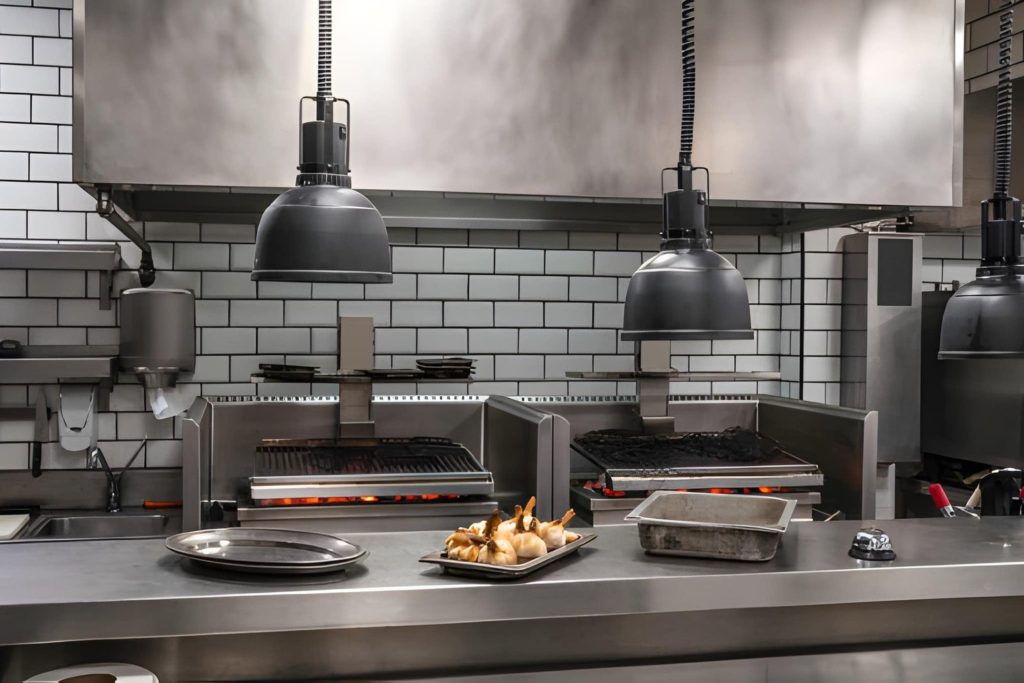
Detroit fire inspectors focus on specific safety elements when evaluating BBQ kitchens, particularly examining exhaust systems, fire suppression equipment, and compliance with NFPA 96 standards. These specialized cooking environments present unique fire risks due to high-heat grilling operations and increased grease production.
Fire inspectors prioritize hood placement, duct clearance, proper fire suppression systems, and regular cleaning schedules to ensure BBQ kitchens meet Detroit’s stringent fire prevention codes. Understanding these requirements helps restaurant owners prepare for inspections and maintain safe operations.
BBQ kitchens require heightened attention to fire safety protocols because cooking equipment generates more than 60% of restaurant fires. Detroit’s Fire Prevention and Protection Code establishes clear guidelines that BBQ establishments must follow to protect staff, customers, and property from fire hazards.
Key Takeaways
- Detroit fire inspectors examine exhaust systems, fire suppression equipment, and NFPA 96 compliance in BBQ kitchens
- BBQ operations face elevated fire risks requiring specialized safety protocols and regular maintenance schedules
- Proper preparation for fire inspections involves understanding Detroit’s specific requirements for commercial cooking equipment and ventilation systems
Key Fire Safety Inspections in BBQ Kitchens
BBQ kitchens face unique fire safety challenges due to high-temperature cooking, grease buildup, and specialized equipment requirements. Detroit fire inspectors focus on three critical areas: ventilation system performance, grease management protocols, and fire suppression equipment functionality.
Hood and Ventilation System Evaluation
Fire inspectors examine exhaust hood systems for proper installation and maintenance compliance with NFPA 96 standards. The hood must extend beyond cooking surfaces by at least 6 inches on all sides for charbroilers and similar equipment.
Key inspection points include:
- Hood clearance distances from cooking equipment
- Exhaust fan capacity and operation
- Ductwork integrity and grease accumulation
- Access panel availability for cleaning
Inspectors verify that exhaust systems operate at required CFM rates. BBQ operations typically need higher ventilation rates due to smoke and grease production. The system must maintain proper airflow to prevent grease-laden vapors from escaping into dining areas.
Ductwork receives close scrutiny for grease buildup and structural integrity. Inspectors check that ducts are constructed with approved materials and properly sealed. Missing or damaged access panels result in violations since they prevent required cleaning and maintenance.
Grease Management and Cleaning Standards
Grease accumulation presents the highest fire risk in BBQ kitchens, making cleaning frequency and documentation critical inspection elements. Inspectors review cleaning logs and examine surfaces for excessive grease buildup.
Required cleaning frequencies:
- Monthly: Systems serving solid fuel cooking equipment
- Quarterly: High-volume operations
- Semi-annually: Moderate-volume operations
Inspectors check cooking surfaces, hood interiors, and exhaust fans for grease deposits. BBQ equipment requires more frequent attention due to fat rendering and smoke production. Grease traps and collection systems must be properly sized and regularly emptied.
Documentation proves compliance through detailed cleaning records. Inspectors verify that certified professionals perform hood cleaning services. Missing or incomplete records typically result in violations regardless of actual cleanliness levels.
Fire Suppression Equipment Compliance
Fire suppression systems require specific configurations for BBQ operations, with Class K extinguishing agents designed for high-temperature cooking fires. Inspectors verify system coverage, nozzle placement, and maintenance records.
Critical compliance areas:
- Proper nozzle positioning over all cooking surfaces
- Manual activation switches within 10 feet of protected equipment
- Gas shut-off valve integration
- Six-month inspection documentation
Portable Class K fire extinguishers must be positioned within 30 feet of cooking equipment. BBQ operations cannot use standard ABC extinguishers on grease fires, which can spread burning oil. Inspectors confirm that staff understands proper extinguisher selection and operation.
System activation testing and maintenance records undergo thorough review. Semi-annual inspections by qualified technicians are mandatory. Inspectors verify that suppression systems automatically shut off gas supplies and activate exhaust fans when triggered.
Detroit Fire Department Requirements for BBQ Kitchens
Detroit’s fire safety regulations for BBQ kitchens focus on comprehensive documentation, proper utility installation, and clear emergency access routes. These requirements align with NFPA standards and Detroit’s Fire Prevention and Protection Code to ensure both staff safety and regulatory compliance.
Documentation and Maintenance Records
The Detroit Fire Marshal Division requires BBQ kitchen operators to maintain detailed records of all fire prevention equipment and systems. Hood cleaning documentation must include service dates, technician certifications, and photographic evidence of cleaned components.
Fire suppression system maintenance records need quarterly inspection reports and annual professional servicing documentation. These records must show compliance with NFPA 96 standards for commercial cooking operations.
Gas line inspections require annual documentation from licensed professionals. The records must include pressure testing results and leak detection reports. Electrical system documentation should cover panel inspections, GFCI testing, and any modifications to cooking equipment connections.
Equipment manuals and warranty information for all fire safety devices must remain accessible during inspections. Missing documentation can result in immediate compliance violations and potential closure orders.
Electrical and Gas Safety Measures
Detroit fire inspectors examine electrical panel configurations and GFCI protection for all BBQ equipment circuits. Dedicated circuits for high-amperage smokers and grills prevent overloading that could cause electrical fires.
Gas line installations must meet Detroit building code specifications with proper shut-off valves within 6 feet of each appliance. Emergency gas shut-offs need clear labeling and unobstructed access for quick operation during emergencies.
Electrical connections require proper grounding and moisture protection in BBQ environments. Extension cords cannot serve as permanent power solutions for cooking equipment. All gas connections need flexible connectors rated for commercial kitchen use.
Ventilation system electrical components must have dedicated circuits with proper amperage ratings. Emergency power disconnects for exhaust fans need clear marking and easy accessibility.
Emergency Exit Accessibility
Detroit Fire Department regulations mandate minimum 44-inch wide exit paths from all BBQ kitchen work areas to exterior exits. Storage equipment, prep tables, or cleaning supplies cannot obstruct these designated emergency routes.
Exit doors must open outward and remain unlocked during operating hours. Emergency lighting systems require battery backup capability lasting at least 90 minutes during power outages.
Secondary exit routes become mandatory when kitchen square footage exceeds 1,000 square feet. These alternate exits cannot lead through dining areas or storage rooms that could become blocked during emergencies.
Exit signage must include illuminated signs visible from all work stations within the BBQ kitchen. Floor markings help identify emergency pathways in smoke-filled conditions.