
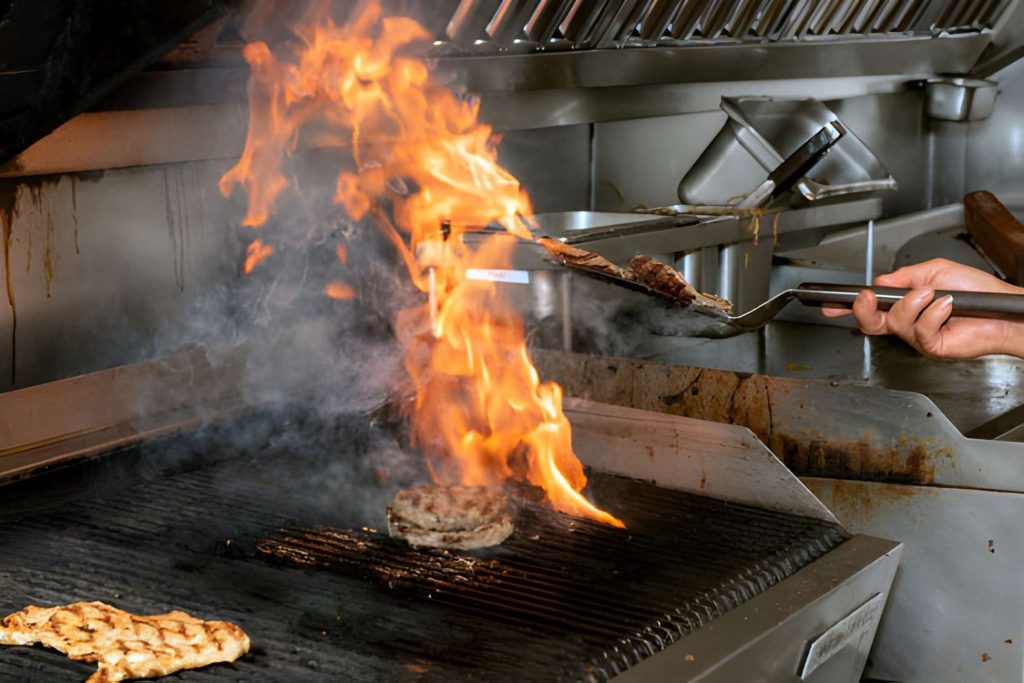
BBQ restaurants in Detroit face unique challenges when it comes to maintaining their exhaust systems due to the high-fat, high-smoke cooking methods that define authentic barbecue. The combination of slow-cooking meats, wood-fired smokers, and grease-heavy preparations creates significantly more airborne particles and residue than typical restaurant operations.
BBQ establishments typically require hood cleaning every 1-3 months instead of the standard 6-month schedule due to the intensive grease and smoke production from barbecue cooking methods. The National Fire Protection Association recognizes that restaurants using solid fuel cooking systems need monthly cleanings, and many BBQ operations fall into this category with their wood smokers and charcoal grills.
Detroit’s busy barbecue scene means restaurant owners must stay ahead of grease buildup to prevent fire hazards and maintain compliance with local health codes. Understanding the specific cleaning requirements for BBQ operations can help restaurant owners avoid costly violations and protect their investment.
Key Takeaways
- BBQ restaurants need hood cleaning 2-6 times more frequently than standard restaurants due to heavy grease and smoke production
- Wood-fired and solid fuel cooking systems require monthly professional cleaning to meet safety standards
- Proper cleaning schedules help Detroit BBQ establishments avoid fire hazards and pass health inspections
Key Reasons BBQ Restaurants in Detroit Need More Frequent Hood Cleaning
BBQ restaurants face distinct challenges that require more aggressive hood cleaning schedules than typical dining establishments. The combination of high-temperature cooking methods, excessive smoke generation, and specialized equipment creates conditions that accelerate grease accumulation and fire hazards.
Higher Volume of Smoke and Grease Production
BBQ cooking generates significantly more smoke and grease than conventional restaurant operations. The slow-cooking process and high temperatures used for smoking meats create continuous airborne particles that accumulate rapidly in hood systems.
Traditional barbecue methods produce 3-4 times more grease than standard cooking techniques. This increased production stems from fat rendering during extended cooking periods and the direct exposure of meat to heat sources.
Key factors contributing to increased buildup:
- Extended cooking times (8-16 hours for brisket and pork shoulder)
- High-fat content meats that render continuously
- Wood smoke particles that combine with grease vapors
- Multiple cooking surfaces operating simultaneously
The grease accumulation rate in BBQ restaurants often requires cleaning schedules every 60-90 days instead of the standard quarterly intervals. Some high-volume operations may need monthly service to maintain safe conditions.
Unique Cooking Methods and Equipment
BBQ restaurants utilize specialized equipment that creates distinct ventilation challenges. Smokers, wood-fired grills, and charcoal systems generate different types of emissions compared to standard gas ranges.
Wood-burning equipment produces creosote and tar compounds that create sticky residues in exhaust systems. These substances are more difficult to remove and form dangerous accumulations faster than typical cooking grease.
Equipment-specific considerations:
- Offset smokers: Generate heavy smoke loads with complex particle compositions
- Wood-fired grills: Create high-temperature combustion byproducts
- Charcoal systems: Produce ash and carbon particles that mix with grease
The combination of these elements creates a more aggressive cleaning requirement. Standard cleaning chemicals and techniques may not adequately address the unique residues from barbecue operations.
Local Fire Safety Regulations and Standards
Detroit fire codes require BBQ restaurants to maintain stricter cleaning schedules due to elevated fire risks. Commercial kitchens using solid fuel cooking systems need monthly professional cleanings according to local regulations.
NFPA 96 standards specifically address restaurants with high grease production. BBQ establishments fall into categories requiring enhanced maintenance due to their cooking methods and fuel sources.
Regulatory requirements include:
- Monthly inspections for solid fuel systems
- Quarterly deep cleaning for all exhaust components
- Documentation of cleaning frequency and methods
- Compliance with Detroit Fire Department guidelines
Failure to meet these requirements can result in operational shutdowns, fines, and insurance complications. The city’s fire prevention office conducts regular inspections of BBQ restaurants due to their elevated risk profile.
Best Practices for Effective Hood Cleaning in Detroit BBQ Establishments
Detroit BBQ restaurants must implement certified cleaning professionals, maintain strict scheduling protocols, and prioritize regular maintenance to meet NFPA 96 standards while ensuring optimal kitchen safety and performance.
Choosing Certified Hood Cleaning Professionals
Select contractors who hold proper certifications and understand Detroit’s specific fire safety regulations. Certified professionals possess the expertise to clean complex ventilation systems in BBQ establishments where grease buildup occurs more rapidly than standard restaurants.
Verify that cleaning companies maintain current liability insurance and workers’ compensation coverage. Request documentation of their training in NFPA 96 standards and local Detroit fire code amendments.
Key qualifications to verify:
- IKECA (International Kitchen Exhaust Cleaning Association) certification
- Local Detroit business licensing
- Experience with high-volume BBQ operations
- Proper disposal methods for grease waste
Ask for detailed cleaning reports and before/after photographs. Professional services should provide comprehensive documentation that satisfies health department inspections and insurance requirements.
Recommended Cleaning Schedules
BBQ restaurants require more frequent hood cleaning than typical food establishments due to higher grease production from smoking and grilling operations. Detroit fire codes mandate cleaning frequencies based on cooking volume and methods.
Minimum cleaning frequencies for BBQ establishments:
- Heavy volume operations: Monthly cleaning
- Moderate volume operations: Every 3 months
- Light volume operations: Every 6 months
Peak summer months often require increased frequency due to higher customer volume and extended operating hours. Monitor grease accumulation weekly to determine if additional cleanings are necessary.
Schedule cleanings during slow periods to minimize operational disruption. Many Detroit BBQ restaurants prefer early morning appointments to avoid interfering with lunch and dinner service.
Benefits of Regular Maintenance for Health and Safety
Regular hood maintenance prevents dangerous grease fires that can destroy equipment and threaten lives. Clean ventilation systems operate more efficiently, reducing energy costs and improving kitchen air quality for staff.
Proper maintenance extends equipment lifespan and prevents costly emergency repairs. Grease buildup restricts airflow, forcing exhaust fans to work harder and consume more electricity.
Primary safety and operational benefits:
- Reduced fire hazard risk
- Improved air circulation and temperature control
- Lower insurance premiums through compliance
- Prevention of health department violations
Clean hoods also eliminate unpleasant odors that can affect dining areas and neighboring businesses. Regular maintenance demonstrates professionalism and commitment to food safety standards that customers expect from quality BBQ establishments.