
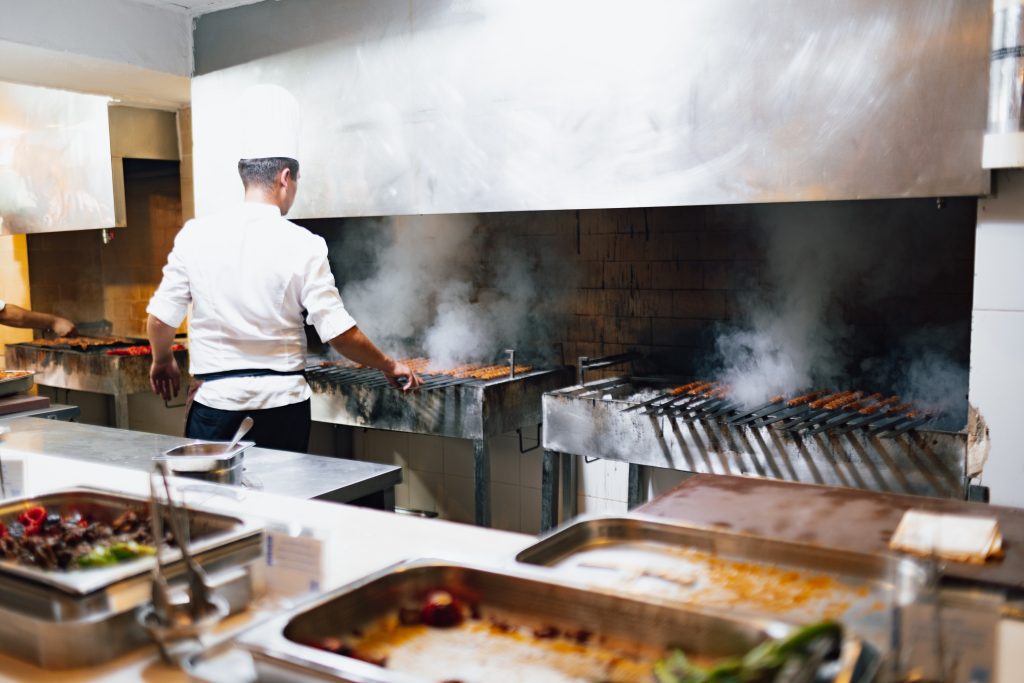
Detroit’s BBQ and charcoal-based kitchens face unique fire safety challenges due to the intense heat and heavy grease production that comes with smoking meats and high-temperature cooking. The combination of charcoal burning and meat rendering creates a perfect storm of flammable residue that accumulates rapidly in exhaust systems.
Professional hood cleaning for BBQ operations requires specialized knowledge of NFPA 96 standards and the specific demands of charcoal-based cooking environments. Standard cleaning approaches often fall short when dealing with the thick, sticky grease deposits and carbon buildup that characterize these kitchen types. This creates serious fire hazards and compliance issues that can shut down operations.
Detroit restaurant owners operating BBQ joints and charcoal kitchens must understand the critical differences in maintenance requirements compared to conventional commercial kitchens. Regular cleaning schedules that work for standard restaurants may prove inadequate for the intense conditions of BBQ operations, making specialized service providers essential for maintaining safety and regulatory compliance.
Key Takeaways
- BBQ and charcoal kitchens produce more grease and carbon buildup than standard commercial kitchens
- Specialized cleaning techniques are required to meet NFPA 96 compliance standards for these high-risk environments
- Professional hood cleaning services prevent fire hazards and keep Detroit BBQ restaurants operationally compliant
Importance of Hood Cleaning for Detroit BBQ & Charcoal-Based Kitchens
Detroit’s BBQ and charcoal-based kitchens face elevated fire risks, stringent compliance requirements, and unique operational challenges that make regular hood cleaning essential. Proper maintenance protects staff, preserves equipment, and ensures uninterrupted business operations.
Fire Prevention in Commercial Kitchens
Grease accumulation in kitchen hoods creates significant fire hazards in commercial BBQ operations. Detroit restaurants must adhere to strict fire safety regulations based on NFPA 96 standards and local amendments.
High-Risk Areas in BBQ Kitchens:
- Exhaust ducts and fans
- Hood filters and baffles
- Grease collection points
- Ventilation system joints
Charcoal and wood-fired cooking produces more combustible residue than conventional cooking methods. The combination of high temperatures and grease buildup can ignite within seconds.
Regular professional cleaning removes these fire hazards before they become dangerous. Clean systems also improve airflow, reducing heat buildup that can contribute to equipment fires.
Health and Safety Compliance Standards
Detroit’s commercial kitchens must maintain compliance with multiple health and safety regulations. NFPA 96 establishes specific requirements for ventilation system maintenance and cleaning to prevent fire hazards.
Compliance Requirements Include:
- Monthly cleaning for high-volume operations
- Quarterly cleaning for moderate-use kitchens
- Documentation of all cleaning activities
- Professional certification of cleaning services
Health departments conduct regular inspections of kitchen ventilation systems. Non-compliance results in fines, temporary closures, or permit revocation. Insurance companies also require documented maintenance records to maintain coverage.
Professional cleaning services provide the certification and documentation necessary to meet these regulatory standards.
Unique Challenges of Charcoal-Based Cooking
Charcoal and wood-fired cooking creates distinct maintenance challenges that standard cleaning protocols may not address adequately. These systems produce higher volumes of particulates and creosote deposits.
Charcoal-Specific Issues:
- Creosote buildup from wood smoke
- Fine ash particles that penetrate filters
- Higher grease temperatures that bake onto surfaces
- Increased smoke volume requiring more ventilation
The sticky nature of creosote makes it particularly difficult to remove with standard degreasing agents. Specialized cleaning solutions and techniques are required to effectively clean these deposits.
Ash particles can clog ventilation systems more quickly than grease alone. This reduces system efficiency and increases fire risk.
Protecting Staff and Equipment
Clean hood systems protect kitchen staff from dangerous working conditions and extend equipment lifespan. Poor ventilation exposes workers to smoke, heat, and airborne contaminants.
Staff Protection Benefits:
- Improved air quality and visibility
- Reduced heat stress and fatigue
- Lower risk of respiratory issues
- Safer working environment overall
Equipment protection involves more than just the hood system. Clean ventilation prevents grease from settling on other kitchen equipment, reducing maintenance costs and replacement frequency.
Regular cleaning maintains proper airflow rates, ensuring ventilation systems operate at peak efficiency. This reduces energy costs and prevents premature equipment failure.
Neglected systems can cause exhaust fans to fail, creating immediate health hazards and forcing temporary kitchen closures during repairs.
Hood Safe LLC’s Professional Hood Cleaning Services
Hood Safe LLC delivers specialized commercial kitchen exhaust cleaning services throughout Detroit and Southeast Michigan, focusing on fire safety compliance and grease removal. Their certified technicians provide comprehensive maintenance solutions backed by industry expertise and insurance partnerships.
Comprehensive Cleaning Process
Hood Safe LLC employs NFPA-certified technicians who follow strict protocols for commercial kitchen exhaust system cleaning. The process begins with a thorough assessment of the hood, filters, ductwork, and exhaust fans to identify grease accumulation levels.
Technicians remove and clean all filters while addressing grease buildup in exhaust ducts and fan systems. The cleaning extends from the cooking surface to the roof-mounted exhaust fan, ensuring complete system coverage.
Key cleaning components include:
- Hood canopy interior and exterior surfaces
- Baffle and mesh filters
- Exhaust ductwork throughout the entire system
- Exhaust fans and motor housings
- Rooftop grease containment systems
The team uses specialized degreasers and equipment designed for commercial kitchen environments. Each cleaning session removes accumulated grease and smoke particles that can create fire hazards or cause system malfunctions.
Benefits of Regular Maintenance
Regular hood cleaning prevents grease accumulation that leads to fire hazards and equipment failures. Clean exhaust systems maintain proper ventilation, reducing heat buildup and improving air circulation in kitchen environments.
Hood Safe’s maintenance programs help restaurants avoid health code violations and potential fines from regulatory inspections. Clean systems operate more efficiently, reducing energy costs and extending equipment lifespan.
Maintenance advantages:
- Fire risk reduction through grease removal
- Regulatory compliance with local health codes
- Equipment longevity from reduced strain on fans and motors
- Energy efficiency improvements
- Insurance benefits through Hood Safe’s carrier partnerships
The company works directly with insurance providers to offer discounted rates for clients maintaining regular cleaning schedules. This partnership approach reduces operational costs while maintaining safety standards.
Inspection and Certification
Hood Safe LLC provides detailed documentation following each cleaning service, including before and after photographs and compliance certificates. These records demonstrate adherence to NFPA 96 standards and local fire safety requirements.
Certified technicians conduct thorough inspections during each visit, identifying potential issues before they become costly problems. The inspection covers system functionality, structural integrity, and compliance with current safety codes.
Documentation includes:
- Cleaning completion certificates
- System inspection reports
- Photographic evidence of work performed
- Recommendations for repairs or upgrades
- Schedule reminders for future maintenance
The company’s “Hood Safe Certified” guarantee process ensures quality standards and provides documentation required by insurance companies and regulatory agencies.
Customer Service Approach
Hood Safe LLC serves restaurants, food trucks, assisted living facilities, and hospitals throughout Metro Detroit. The company schedules cleaning services during off-peak hours to minimize business disruption.
Technicians arrive with proper equipment and protective gear, maintaining professional standards throughout the service process. The team communicates findings clearly and provides actionable recommendations for system improvements.
Customer support includes flexible scheduling options and emergency cleaning services when needed. Hood Safe maintains ongoing relationships with clients through regular follow-up and maintenance reminders.
The company uses technology-driven approaches to track service history and optimize cleaning schedules. This systematic approach ensures consistent service quality and helps businesses maintain compliance between inspections.