
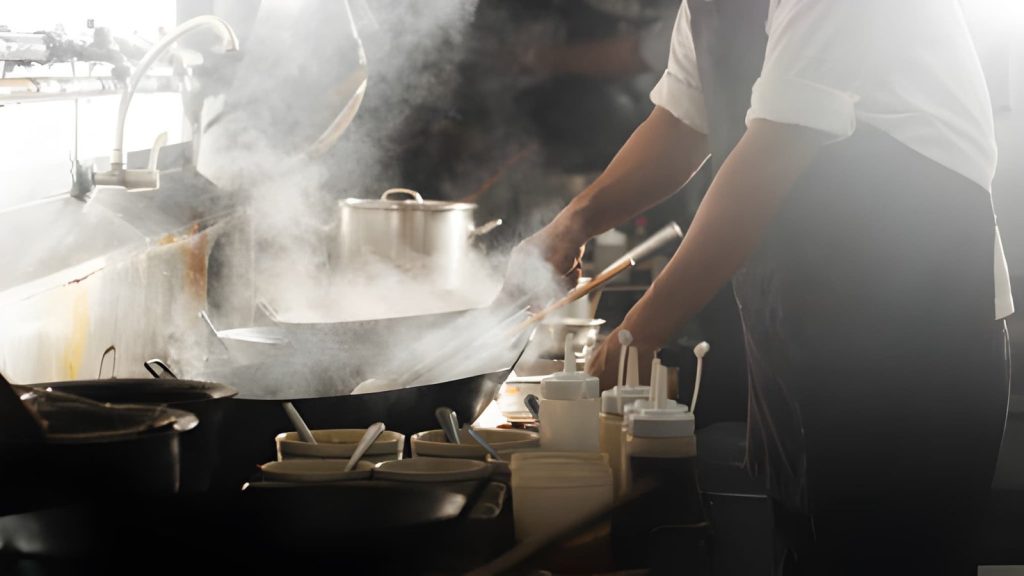
Chinese restaurants face unique challenges when it comes to maintaining clean exhaust systems due to their distinctive cooking methods and ingredients. The high-temperature stir-frying, deep-frying, and oil-intensive preparations common in Chinese cuisine create significantly more grease and smoke than typical Western cooking techniques.
Chinese restaurants typically require exhaust hood cleaning every 30-60 days compared to the standard 90-120 days for other restaurant types because their cooking methods generate substantially more grease buildup. This increased frequency is necessary to prevent fire hazards and maintain proper ventilation in commercial kitchens where wok cooking and rapid high-heat preparation methods are used throughout service.
Understanding the specific maintenance requirements for Chinese restaurant exhaust systems helps owners stay compliant with NFPA 96 standards while protecting their investment and ensuring employee safety. The combination of cooking oils, high temperatures, and continuous heavy use creates conditions that demand more attention than standard commercial kitchen operations.
Key Takeaways
- Chinese cooking methods produce more grease buildup than other cuisines, requiring more frequent exhaust cleaning
- Proper maintenance schedules help prevent fire hazards and ensure compliance with commercial kitchen safety standards
- Regular professional cleaning protects equipment investments and maintains safe working conditions for kitchen staff
Why Chinese Restaurants Need More Frequent Exhaust Cleaning
Chinese restaurants face unique challenges that require more intensive exhaust system maintenance due to their distinctive cooking methods, high-temperature techniques, and the substantial amounts of grease and smoke these operations produce. The combination of wok cooking, deep-frying, and diverse preparation styles creates conditions that accelerate grease buildup in ventilation systems.
Unique Cooking Techniques and Equipment
Wok cooking represents the primary factor driving increased exhaust cleaning needs in Chinese restaurants. The technique involves cooking at temperatures between 1,200°F to 1,500°F, significantly higher than standard Western cooking methods.
High-temperature stir-frying creates intense heat that vaporizes cooking oils rapidly. This vaporization process sends oil particles directly into the exhaust system at rates much higher than conventional cooking methods.
Traditional Chinese cooking equipment includes:
- Heavy-duty wok burners producing 150,000+ BTUs
- Multiple wok stations operating simultaneously
- Specialized steaming equipment for dim sum preparation
The constant high-heat cooking creates thermal currents that carry grease particles into hood systems more aggressively than standard restaurant operations. These particles condense quickly as they move through cooler sections of the exhaust system.
Higher Volumes of Grease and Smoke
Chinese restaurants generate substantially more grease-laden vapor than typical commercial kitchens. Deep-frying techniques used for popular dishes like General Tso’s chicken and spring rolls contribute significantly to airborne grease particles.
The volume of smoke production increases due to:
- Oil splashing from high-temperature wok cooking
- Rapid temperature changes when ingredients hit hot surfaces
- Continuous cooking throughout service hours
Grease accumulation occurs at rates requiring monthly or quarterly professional cleaning rather than the standard six-month intervals. The intense heat causes cooking oils to break down into smaller particles that penetrate deeper into exhaust system components.
Restaurants using solid fuel cooking methods face even greater challenges. Charcoal and wood-fired cooking equipment produces additional particulates that combine with grease to form stubborn deposits.
Diverse Menu Items and Cooking Styles
Chinese restaurants typically offer extensive menus requiring multiple cooking methods simultaneously. This diversity means exhaust systems handle varying types of grease and smoke throughout operating hours.
Common cooking styles that impact exhaust cleaning needs:
| Cooking Method | Grease Production | Cleaning Impact |
| Stir-frying | High | Heavy hood deposits |
| Deep-frying | Very High | Rapid filter clogging |
| Steaming | Low | Minimal impact |
| Roasting | Medium | Moderate buildup |
Szechuan cuisine involves additional spices and oils that create unique residue compositions. Cantonese cooking emphasizes fresh ingredients but still relies heavily on high-temperature techniques.
The variety of preparation methods means exhaust systems never receive breaks from grease-producing activities. Different cooking oils used for specific dishes create complex residue mixtures that require specialized cleaning approaches.
Potential Fire Risks
The combination of high cooking temperatures and accelerated grease buildup creates elevated fire risks in Chinese restaurant exhaust systems. Grease fires can ignite more easily when systems contain heavy deposits from high-temperature cooking methods.
Fire hazard factors specific to Chinese restaurants include:
- Grease deposits reaching ignition temperatures faster
- Higher concentration of flammable particles in ductwork
- Increased risk during peak cooking periods
Regular cleaning becomes critical for fire prevention. The National Fire Protection Association standards require more frequent cleaning for high-volume grease-producing operations, which includes most Chinese restaurants.
Insurance companies often require documentation of enhanced cleaning schedules for Chinese restaurants. Fire suppression systems face greater challenges when grease deposits exceed normal accumulation levels, making prevention through frequent cleaning the most effective safety strategy.
Best Practices for Maintaining Clean Commercial Kitchen Exhaust Systems
Proper exhaust system maintenance requires establishing consistent professional cleaning schedules, adhering to regulatory standards, and training staff on daily upkeep procedures. These practices work together to prevent grease buildup, reduce fire risks, and maintain optimal air quality.
Scheduling Regular Professional Cleanings
Professional cleaning frequency depends on your kitchen’s cooking volume and methods. High-volume Chinese restaurants typically require monthly cleanings due to heavy wok cooking and oil usage.
Cleaning Schedule Guidelines:
- Monthly: High-volume operations, solid fuel cooking
- Quarterly: Moderate-volume restaurants
- Semi-annually: Low-volume facilities
Certified technicians clean all system components including hoods, ducts, fans, and filters. They remove grease buildup that daily cleaning cannot reach. Schedule cleanings during off-peak hours to minimize operational disruption.
Document all professional cleanings with certificates and photos. This documentation proves compliance during inspections. Many fire insurance policies require regular professional cleaning to maintain coverage.
Compliance With Health and Safety Regulations
NFPA 96 sets the standard for commercial kitchen ventilation system cleaning and maintenance. Local fire departments and health inspectors enforce these requirements through regular inspections.
Key Compliance Requirements:
- Maintain cleaning records and certificates
- Use only certified cleaning professionals
- Follow specified cleaning frequencies
- Install proper fire suppression systems
Violations can result in fines, forced closures, or insurance claim denials. Some jurisdictions require permits before cleaning work begins. Check local requirements as they vary by location.
Insurance companies often mandate compliance with NFPA 96 standards. Non-compliance can void coverage in case of fire damage.
Employee Training for Daily Maintenance
Staff training ensures proper daily maintenance between professional cleanings. Train employees to clean accessible components and identify potential problems early.
Daily Maintenance Tasks:
- Clean and replace hood filters
- Wipe down visible grease from hood surfaces
- Check fan operation and unusual noises
- Monitor airflow performance
Establish cleaning schedules and assign responsibilities to specific staff members. Post cleaning checklists near equipment as visual reminders. Replace filters when they become saturated with grease rather than waiting for scheduled intervals.
Train employees to recognize warning signs like reduced airflow, excessive noise, or visible grease accumulation. Early detection prevents minor issues from becoming major problems requiring emergency repairs.