
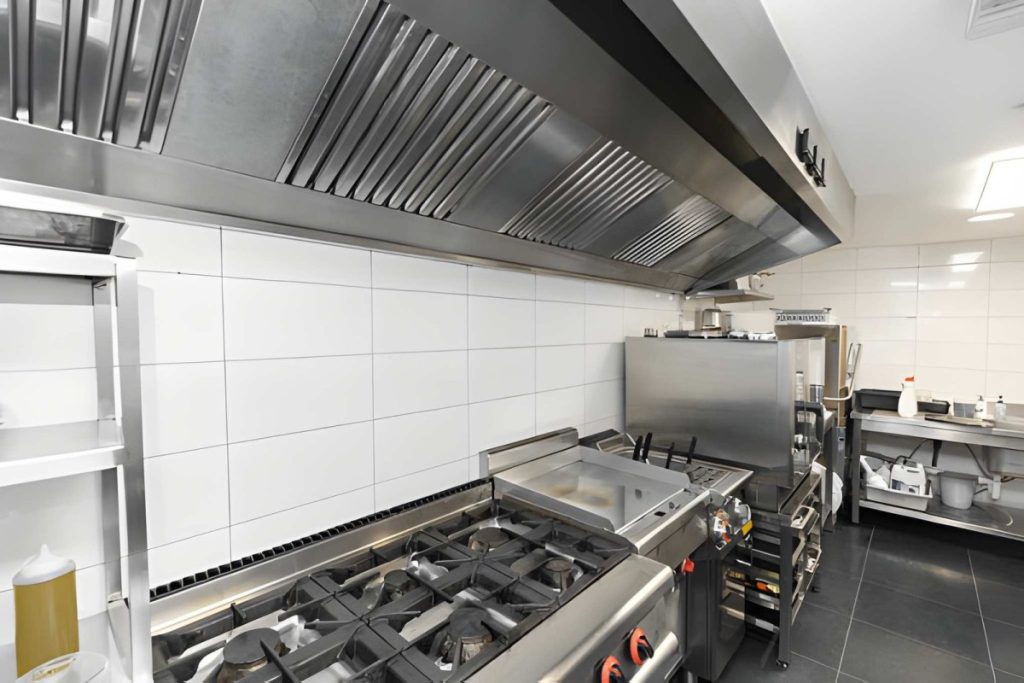
Wiping down surfaces and mopping floors keeps a kitchen looking clean, but it does nothing for the grease accumulating inside your exhaust hood, ducts, and fan systems. Commercial kitchen hood cleaning is a specialized service that goes far beyond routine cleaning — it targets the hidden grease buildup that standard janitorial work simply cannot reach. This distinction matters more than most kitchen operators realize.
Professional hood cleaning involves degreasing the entire exhaust system, including components that are rarely visible during daily operations. The process follows specific standards, including NFPA 96, which sets the requirements for ventilation control and fire protection in commercial cooking operations. Regular cleaning crews are not trained or equipped to meet these standards.
The difference between the two approaches has real consequences for fire safety, air quality, equipment performance, and regulatory compliance. Understanding what sets professional hood cleaning apart helps operators make informed decisions about protecting their kitchens, their staff, and their business.
Key Takeaways
- Professional hood cleaning targets grease throughout the entire exhaust system, not just visible surfaces
- Commercial hood cleaning must meet specific fire safety and regulatory standards that routine cleaning does not address
- Specialized equipment and trained technicians are required to properly clean and maintain a commercial kitchen exhaust system
Key Standards and Regulatory Requirements
Commercial kitchen exhaust cleaning is governed by specific codes that go well beyond general sanitation rules, with NFPA 96 setting the baseline and local health authorities adding additional layers of enforcement.
Commercial Compliance Guidelines
The primary standard governing kitchen exhaust systems in the U.S. is NFPA 96, the Standard for Ventilation Control and Fire Protection of Commercial Cooking Operations. The 2025 updates expanded requirements around ventilation performance and exhaust system maintenance frequency.
Cleaning intervals under NFPA 96 are not one-size-fits-all. They are determined by cooking volume and equipment type:
| Cooking Operation Type | Required Cleaning Frequency |
| High-volume (24-hour, solid fuel) | Monthly |
| Moderate-volume (charbroiling, wok) | Quarterly |
| Low-volume (pizza ovens, day use) | Annually |
OSHA regulations also apply, specifically around employee exposure to grease buildup, fire hazards, and air quality in the kitchen environment.
Inspection and Certification Protocols
After a professional hood cleaning, the technician is required to leave a service report on-site that documents the date, technician name, areas cleaned, and any deficiencies found. This report is what inspectors look for during fire marshal or health department visits.
IKECA (International Kitchen Exhaust Cleaning Association) certification is a recognized credential that verifies a cleaning company meets industry-accepted standards. Some jurisdictions and insurance providers specifically require work to be performed by certified contractors.
Failing an inspection due to inadequate cleaning records or grease accumulation can result in fines, forced closure, or voided insurance coverage.
Specialized Methods and Professional Equipment
Commercial kitchen cleaning relies on industrial-grade tools and strict sanitization protocols that go well beyond what standard cleaning supplies can achieve.
Grease Removal and Ventilation Systems
Grease accumulation inside exhaust hoods, ductwork, and fans is one of the most serious fire risks in a commercial kitchen. Professional hood cleaning technicians use high-pressure hot water systems to break down and flush out grease deposits from the entire exhaust system — not just visible surfaces.
Standard mops and degreasers cannot reach inside ductwork or fan housings. Professionals disassemble components where necessary and apply commercial-strength chemical degreasers rated for heavy grease loads.
Key equipment used includes:
- High-pressure washers (typically 1,500–3,000 PSI)
- Industrial wet/dry vacuums for capturing removed grease
- Specialized brushes and scrapers for duct interiors
- UV grease detection lights to verify cleanliness post-service
This process ensures the full exhaust path — from filters to the rooftop exhaust fan — is clear and compliant with NFPA 96 fire code standards.
Sanitization of Food Preparation Zones
Food prep surfaces require more than wiping down with a general cleaner. Commercial kitchens use food-safe, EPA-registered sanitizers applied at correct dilution ratios to cutting surfaces, prep tables, and equipment contact areas.
Professionals follow a defined clean-then-sanitize sequence:
- Remove visible debris and food residue
- Apply detergent and scrub surfaces
- Rinse thoroughly
- Apply sanitizing solution and allow proper contact time
Stainless steel surfaces, which are standard in commercial kitchens, require non-abrasive tools to avoid micro-scratches that can harbor bacteria. Grout lines, equipment gaskets, and undersides of prep tables are areas that in-house staff frequently miss but professionals specifically target.