
Many restaurant owners view hood cleaning as an optional expense, but this perspective can lead to devastating financial consequences. A single fire incident or equipment failure caused by neglected hood maintenance can cost over $80,000 in repairs, lost business, and insurance complications. This amount far exceeds the few hundred dollars required for routine professional cleaning services.
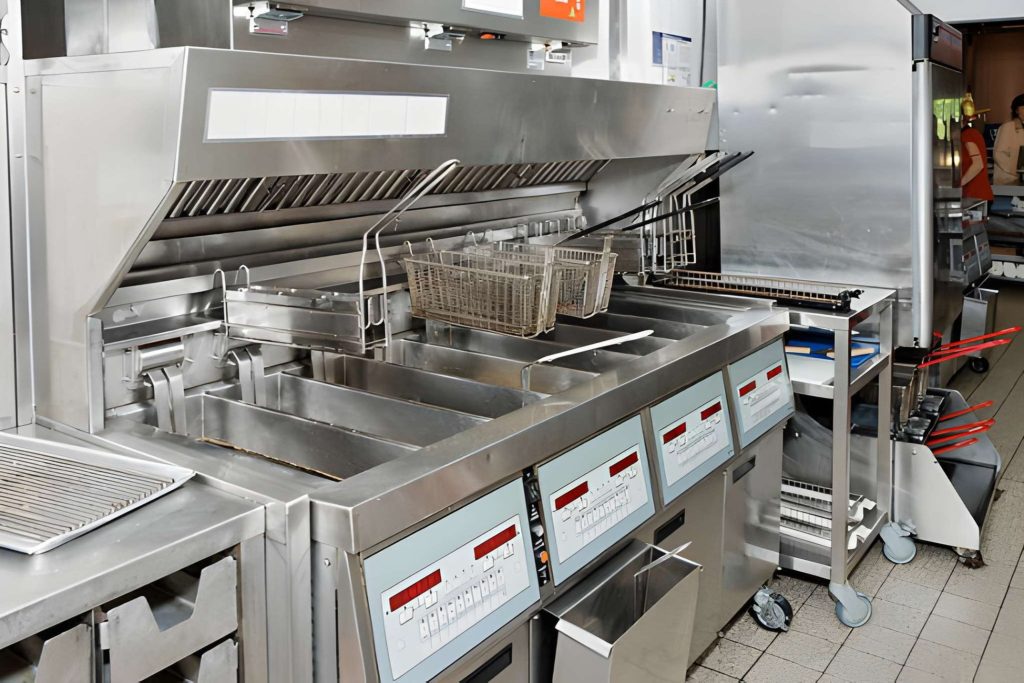
Fryer-based kitchens face particularly high risks due to the constant production of grease-laden vapors that accumulate rapidly in exhaust systems. The combination of high-temperature cooking and grease buildup creates ideal conditions for fires, equipment failures, and health code violations.
Understanding the true financial impact of skipping hood cleaning helps restaurant operators make informed decisions about their maintenance schedules. The costs extend beyond immediate cleaning expenses to include potential fines, insurance claims, business interruptions, and equipment replacement needs that can threaten a restaurant’s financial stability.
Key Takeaways
- Neglected hood cleaning can result in costs exceeding $80,000 from a single incident compared to hundreds for routine maintenance
- Fryer-based kitchens generate excessive grease buildup that creates significant fire hazards and health code violations
- Professional hood cleaning services provide essential protection against financial losses and ensure regulatory compliance
Understanding the Costs of Neglected Hood Cleaning
Skipping hood cleaning in fryer-based kitchens creates measurable financial risks through fire hazards, regulatory violations, and equipment damage. A single incident can cost over $80,000 in damages and lost revenue, while routine professional cleaning typically costs only a few hundred dollars per service.
Fire Hazard and Safety Risks
Grease accumulation in hood systems creates a direct fire hazard that increases with each day of operation. Fryer-based kitchens produce particularly heavy grease loads that adhere to hood surfaces, ductwork, and exhaust fans.
Fire incident costs include:
- Emergency response fees
- Fire department charges
- Property damage repairs
- Potential injury liability
- Insurance deductible payments
A grease fire originating in the hood system can spread rapidly through the entire kitchen. The average commercial kitchen fire causes $165,000 in direct property damage. Many of these fires start in neglected exhaust systems where grease deposits ignite from cooking heat or electrical components.
Fire suppression system discharges triggered by hood fires create additional expenses. Chemical recharges and equipment resets can cost over $11,000 per incident. Kitchen operations must halt completely until the fire department clears the facility and the suppression system is restored.
Financial Consequences of Non-Compliance
Regulatory violations for dirty hood systems result in immediate fines and potential closure orders. Health departments and fire marshals conduct regular inspections that specifically examine hood cleanliness and maintenance records.
Common violation penalties:
- Initial fines: $500-$2,000
- Repeat violations: $2,000-$5,000
- Closure orders until compliance
- Legal fees for appeals
- Permit reinstatement costs
Insurance companies often deny claims for fires originating in improperly maintained hood systems. Policy terms typically require documented regular cleaning to maintain coverage. A denied claim can result in total loss absorption by the business owner.
Lost revenue during closure periods compounds these direct costs. The average restaurant loses $3,000-$8,000 per day during forced closures. Extended shutdowns for fire damage repairs can eliminate months of income while fixed expenses continue.
Impact on Kitchen Equipment and Downtime
Grease buildup reduces exhaust system efficiency and forces kitchen equipment to work harder. Clogged exhaust fans cannot remove heat and smoke effectively, creating poor working conditions and increased energy costs.
Equipment damage from neglected hoods:
- Exhaust fan motor failure
- Ductwork corrosion
- Control system malfunctions
- Increased HVAC load
- Premature component replacement
Cooking equipment operates less efficiently when proper ventilation fails. Fryers maintain higher ambient temperatures, consuming more energy and reducing oil quality. Staff productivity decreases in hot, smoky environments with poor air circulation.
Emergency repairs cost significantly more than scheduled maintenance. After-hours service calls can cost 150-200% more than regular appointments. Equipment replacement during peak hours disrupts service and requires expedited shipping costs.
Professional hood cleaning prevents these cascading failures while maintaining optimal kitchen performance. Regular maintenance schedules cost approximately $300-$800 per service depending on system size and complexity.
Partnering With Hood Safe LLC for Reliable Kitchen Safety
Hood Safe LLC delivers professional kitchen safety solutions through industry-standard cleaning protocols, tailored maintenance schedules for high-volume fryer operations, and comprehensive compliance support that reduces fire risks while ensuring regulatory adherence.
Professional Hood Cleaning Standards
Hood Safe LLC maintains rigorous cleaning protocols that address every component of commercial kitchen exhaust systems. Their certified technicians use specialized equipment to thoroughly clean hoods, ducts, and fans according to NFPA 96 standards.
The company’s cleaning process includes complete degreasing of all exhaust surfaces, fan blade maintenance, and ductwork inspection. Each service includes detailed documentation for compliance purposes. This systematic approach ensures grease buildup removal from hard-to-reach areas where fire risks concentrate.
Key cleaning components include:
- Hood interior and exterior surfaces
- Exhaust fan assemblies
- Ductwork from hood to roof
- Grease containment systems
Their technicians photograph before and after conditions, providing visual proof of thorough cleaning. This documentation becomes essential during health department inspections and insurance reviews.
Customized Maintenance Plans for Fryer-Based Kitchens
Fryer-intensive operations require specialized cleaning schedules due to increased grease production. Hood Safe LLC develops maintenance plans based on cooking volume, equipment types, and operational hours.
High-volume fryer kitchens typically need monthly cleaning, while moderate operations may require quarterly service. The company assesses each kitchen’s specific needs during initial consultations.
Maintenance plan features:
- Scheduled cleaning appointments
- Priority emergency response
- Filter replacement programs
- System performance monitoring
Their local Detroit presence enables faster response times compared to national chains. This proximity proves valuable when urgent cleaning becomes necessary before inspections or after equipment malfunctions.
Long-Term Benefits for Compliance and Peace of Mind
Regular professional cleaning through Hood Safe LLC reduces insurance premiums and prevents costly violations. Their compliance documentation satisfies health department requirements and fire marshal inspections.
The company’s preventive approach identifies potential system failures before they become expensive repairs. Early detection of worn components or damaged ductwork saves thousands in emergency replacement costs.
Long-term advantages include:
- Reduced fire insurance rates
- Avoided health code violations
- Extended equipment lifespan
- Improved kitchen air quality
Their certification and local expertise provide restaurant owners with reliable safety partnerships. This professional relationship eliminates guesswork from kitchen maintenance while ensuring consistent regulatory compliance throughout operations.